What the record actually says about oral androgens: approvals, warnings and the trials
The PHARMA shelf is mostly 17α-alkylated tablets. Here is what each class actually has behind it — which of them have an approval, which were measured in randomised trials, what the liver record says, and the two places where the published record is thinner than the forum posts.
1 October 2026
Send me the checklist
One email when a new hub goes up. Research use only; nothing else, and one click to leave.
Most of this shelf is one chemical decision repeated. Oxandrolone, oxymetholone, methandienone, stanozolol and chlorodehydromethyltestosterone are all orally active because of a 17α-alkyl substitution, and that same substitution is the reason the liver literature on this class is thicker than the muscle literature. Getting those two facts into one paragraph is most of what this page is for.
This page compares classes by what is documented, not by what is discussed. The compound-by-compound articles on the research desk carry the detail, starting with oxandrolone’s approved uses and its boxed warnings and what clomiphene is approved for and what has actually been measured in men. Those are the right place for a single molecule. This is the page for the shape of the class.
The two ends of the record
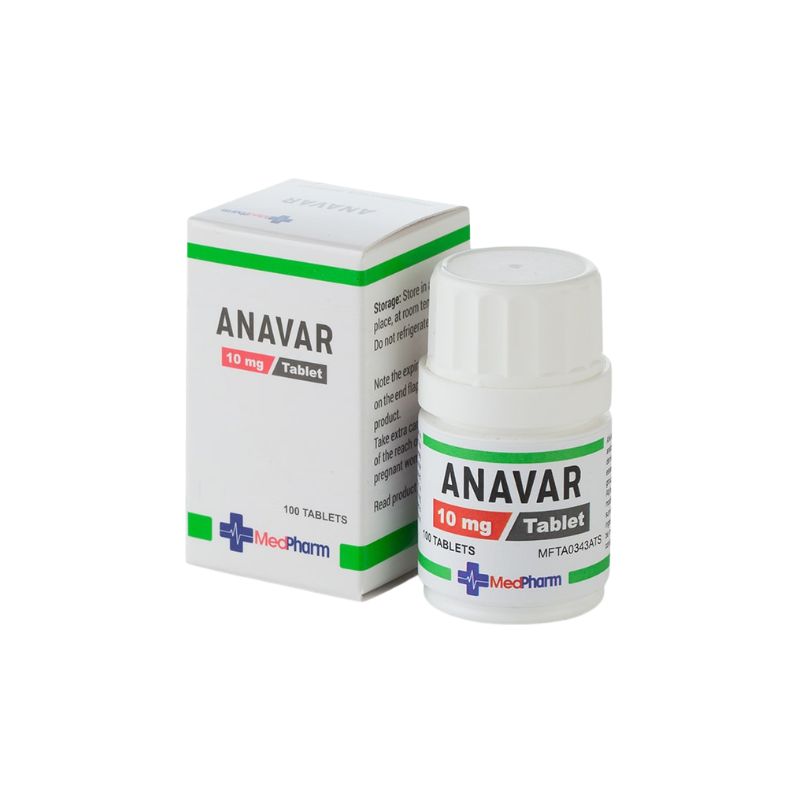
One end is a real approval with a real warning. Oxandrolone was approved in the US in 1964, as an adjunct to promote weight gain after weight loss from surgery, chronic infection, trauma or unexplained causes, and to offset protein catabolism during long corticosteroid courses. That indication is still the core of it sixty years later. The same label carries peliosis hepatis, liver tumours and lipid changes, and in the US it has been Schedule III since 1990. The detailed reading is on the oxandrolone page; the point here is that an approval is a document, and the document is readable.
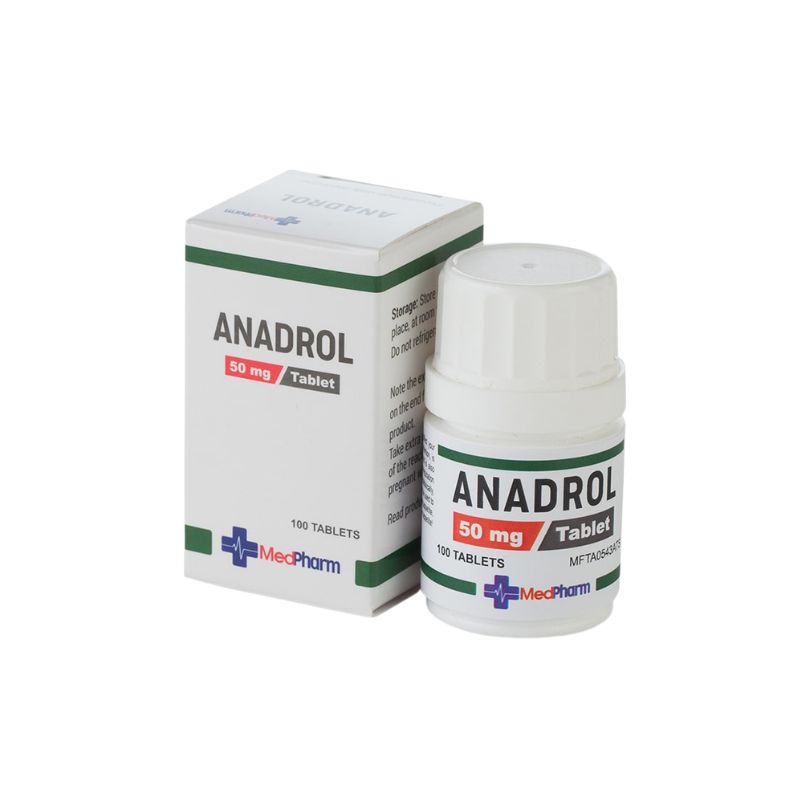
The other end is a much shorter file than the internet suggests. Oxymetholone does have randomised human data, and it is unusually clean data: 31 men aged 65 to 80 were randomised to placebo, 50 mg or 100 mg daily for 12 weeks. Lean body mass rose 3.3 kg on 50 mg and 4.2 kg on 100 mg against 0.0 kg on placebo, and one-repetition maximum chest press rose 8.2% and 13.9% against −0.8%. In the same trial, alanine aminotransferase rose 72 U/l in the 100 mg arm (p<0.001) and HDL cholesterol fell by 19 mg/dl and 23 mg/dl in the two active arms. A separate 24-week trial in 43 haemodialysis patients reported the fat-free mass and handgrip gains alongside induced liver injury. Read one half of those results and you have a performance enhancer. Read both and you have a trial.
The result that did not come out
Not every trial in this class was positive, and the negative ones are the informative ones. In a randomised comparison of three strategies for AIDS wasting — nutrition alone, nutrition plus oxandrolone 10 mg twice daily, or nutrition plus progressive resistance training, over 12 weeks — mid-thigh muscle area rose 7.0% on oxandrolone against 1.0% on nutrition alone, and the difference did not reach significance (p=0.09). Only the resistance training arm improved physical functioning. On the cost side the same paper put nutrition alone at $45,000 per quality-adjusted life-year, resistance training at $31,000, and oxandrolone at $147,000.
It would be easy to argue from that paper that oxandrolone does nothing. That would be wrong too: in severely burned children the same drug has a positive record, including a five-year follow-up in which 0.1 mg/kg twice daily for up to 24 months increased whole-body bone mineral content (p<0.02) and lumbar spine bone mineral density (p<0.0009) against placebo. The honest reading is narrower than either side of the internet: the drug has produced measurable results in defined clinical populations, and in one of them it did not separate from the nutrition it was added to.
Clomiphene is not in the same conversation
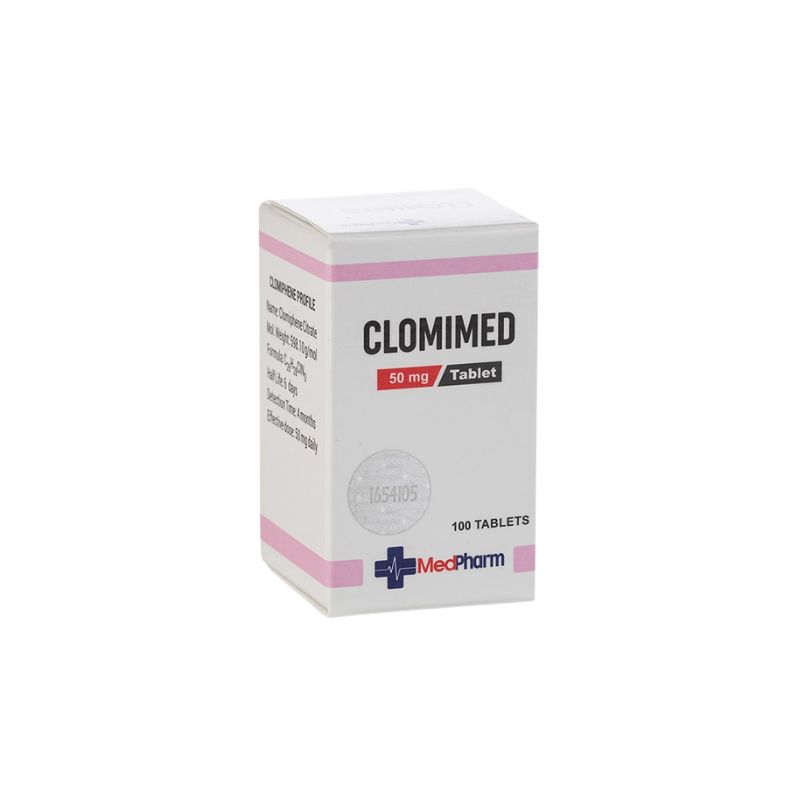
Clomiphene citrate sits on this shelf under a PCT label and is routinely discussed as an androgenic compound. It is not one. It is a selective estrogen receptor modulator, approved for decades as an ovulatory inducer, not approved to raise testosterone in a man.
The mechanism argument is legitimate and the outcome record is thinner. A 2024 network meta-analysis pooled 14 randomised trials in 1,342 men with abnormal semen parameters: sperm concentration improved with clomiphene against antioxidants (SMD 2.15, 95% CI 0.78–3.52), against aromatase inhibitors (SMD 2.93, 1.23–4.62) and against tamoxifen (SMD −1.96, −3.57 to −0.36) — but not against placebo (SMD −1.53, 95% CI −3.52 to 0.47). The authors judged the overall quality of the included trials low and concluded there is insufficient evidence to support routine use. A 2026 pair of linked systematic reviews in 735 men found no eligible study evaluating clomiphene at all.
The strongest randomised data in that chemical family belong to enclomiphene, the trans-stereoisomer of clomiphene citrate. In two parallel phase 3 trials in overweight men with secondary hypogonadism, enclomiphene raised testosterone and maintained sperm concentration in the normal range over 16 weeks, while the testosterone gel group showed a marked reduction in spermatogenesis. That is a well-run comparison and it is about a different molecule from the one on this shelf. The label and the male literature are read separately on the clomiphene page.
Where the rest of the shelf goes
Methandienone, stanozolol and chlorodehydromethyltestosterone have their own pages, and they are worth reading in that form rather than as one category. What can be said at class level is this: the outcome literature on this class is small and the harms literature is not, and that asymmetry is itself a finding about how the compounds got studied.
The non-androgen tablets on this shelf — the PDE5 inhibitors, dapoxetine, clenbuterol, the aromatase-adjacent agents — are a different question with a different literature and their own pages on the research desk. This page is about the androgenic orals and the SERM, and it does not extend to them.
What we do not publish
We publish the manufacturer’s own text on each product page and add no claim of our own to it. We do not publish a batch laboratory report for any line on this shelf, because no supplier here publishes one; we would rather leave the field empty than print a number we cannot trace. We do not write dosing protocols, we cannot promise a result, and nothing on this page is medical advice.
⚠ Everything sold here is for in-vitro laboratory research only. Not for human or veterinary use.
What stands behind each oral compound on this shelf
| What | Regulatory status, as documented | What was measured in people | The warning that belongs to the record | What it means for you |
|---|---|---|---|---|
| Oxandrolone (Anavar, RED OXA) — 17α-alkylated, non-aromatising androgen | Approved in the US since 1964 as an adjunct to promote weight gain after weight loss from surgery, chronic infection, trauma or unexplained causes, and to offset protein catabolism on long corticosteroid courses; Schedule III since 1990 | Randomised trials in adults with AIDS wasting, where nutrition alone was the comparator and was given placebo pills, and in children with severe burns; in the AIDS wasting trial it did not separate from nutrition alone on mid-thigh muscle area | Peliosis hepatis, liver tumours and lipid changes are on the label, and the paediatric use is limited to specialists | The one compound here with a continuous approval and a real trial literature. The approval is for supervised weight regain, not for anything a fitness forum discusses. |
| Oxymetholone (Anadrol, RED A-DROL) — 17α-alkylated androgen | An approved medicine with a decades-long record in severe aplastic anaemia and other anaemic conditions; not approved for performance or body composition | 31 men aged 65–80 randomised to 50 mg or 100 mg daily for 12 weeks: lean body mass rose 3.3 kg and 4.2 kg against 0.0 kg on placebo, and 1-repetition maximum strength rose 8.2% and 13.9% against −0.8% | In the 100 mg arm alanine aminotransferase rose 72 U/l (p<0.001) and HDL cholesterol fell by 23 mg/dl (p=0.008). A 24-week trial in 43 haemodialysis patients reported the muscle gain alongside induced liver injury | This is the clearest case on the shelf where the efficacy numbers and the organ numbers come out of the same trial. Printing only the first is not a summary, it is a selection. |
| Other 17α-alkylated orals — methandienone, stanozolol, chlorodehydromethyltestosterone | Methandienone and stanozolol have long-standing approvals in their own indications; the human evidence base is dominated by small trials, veterinary work and a much larger literature on harms than on outcomes | Small. The class literature is far larger than the outcome literature, which is itself the finding | 17α-alkylation is the structural reason the class is hepatotoxic, and it is the reason the liver literature on this class is thicker than the muscle literature | Where a shop or a forum treats these as interchangeable with oxandrolone, the pharmacology is not the same and the record is thinner. |
| Clomiphene citrate (Clomimed) — an oral SERM, not an androgen | Approved for decades as an ovulatory inducer. It is not approved to raise testosterone in a man and it is not an androgen | A 2024 network meta-analysis pooled 14 randomised trials in 1,342 men: sperm concentration improved against antioxidants, aromatase inhibitors and tamoxifen, but not against placebo (SMD −1.53, 95% CI −3.52 to 0.47). A 2026 pair of linked systematic reviews found no eligible study evaluating clomiphene at all | Visual field disturbance, and the reason it sits behind a prescription everywhere it is a medicine | The one compound on this shelf whose whole reputation rests on the argument that it restores the axis rather than replacing it. That argument is supported by the related molecule, not by the outcome trials for this one. |
Questions this page answers.
Is an approved oral androgen safer than one that is not approved?
That question cannot be answered, and anybody who answers it for you is selling. Safety is a property of a dose in a person over time, and no comparison of that kind has been run for this class. What can be compared is how far each compound has been through development — and there the record is unambiguous in one direction only: oxandrolone and oxymetholone have approvals with named indications and printed warnings, and a great many compounds on forums have neither.
If oxymetholone produced lean mass in a randomised trial, why is that not a case for it?
Because the same trial produced the other number. In the 31-man trial in older men, the 100 mg arm gained 4.2 kg of lean mass and its alanine aminotransferase rose 72 U/l while HDL cholesterol fell 23 mg/dl. The 24-week haemodialysis trial reported the same pairing in 43 patients. A result you get only by dropping half the endpoints is not the finding.
Does clomiphene raise testosterone?
It raises the signalling that leads to testosterone production, which is why it is used in men with secondary hypogonadism. What the pooled outcome literature does not yet show is a demonstrated fertility or clinical benefit against placebo: the 2024 network meta-analysis found a sperm-concentration advantage over other drugs but not over placebo, judged the overall trial quality low, and concluded the evidence is insufficient to support routine use. A 2026 review pair found no eligible clomiphene study in men at all. The strongest randomised data in that family are for enclomiphene, the trans-stereoisomer, which in two phase 3 trials maintained sperm concentration while a testosterone gel group showed a marked reduction.
What does this shop publish, and what does it not?
We publish the manufacturer's own product text and nothing added to it, and we do not publish a batch lab report for any line, because no supplier on this shelf publishes one and we will not invent a number we cannot stand behind. We do not write dosing protocols, we do not state that any of this is safe for a person to take, and we cannot promise a result. Send your order number and we request the batch paperwork from the maker for the batch that actually shipped.
Where this comes from.
- Schroeder ET, et al. Effects of an oral androgen on muscle and metabolism in older, community-dwelling men. Am J Physiol Endocrinol Metab 2003;284(1):E120-8. (PMID 12388137) — 31 men aged 65–80, 50 mg or 100 mg daily for 12 weeks; lean mass +3.3 kg and +4.2 kg vs +0.0 kg; ALT +72 U/l at 100 mg; HDL −23 mg/dl.
- Supasyndh O, et al. "Effect of oral anabolic steroid on muscle strength and muscle growth in hemodialysis patients." Clin J Am Soc Nephrol 2013;8(2):271-9. (PMID 23124786) — 43 patients, 24 weeks; fat-free mass and handgrip up, liver injury induced.
- Reeves PT, et al. Five-year outcomes after long-term oxandrolone administration in severely burned children: a randomized clinical trial. Shock 2016;45(4):367-74. (PMID 26506070) — placebo n=84 vs oxandrolone n=35, 0.1 mg/kg twice daily for 24 months.
- Shevitz AH, et al. A comparison of the clinical and cost-effectiveness of 3 intervention strategies for AIDS wasting. J Acquir Immune Defic Syndr 2005;38(4):399-406. (PMID 15764956) — mid-thigh muscle area +7.0% on oxandrolone vs +1.0% on nutrition alone, not significantly different (p=0.09); oxandrolone the least cost-effective arm at $147,000 per QALY.
- Niedfeldt MW, et al. Anabolic Steroid Effect on the Liver. Curr Sports Med Rep 2018;17(3):97-102. (PMID 29521706) — why 17α-alkylation raises hepatic exposure, and the spectrum of reported hepatic injury.
- Al Wattar BH, et al. Pharmacological non-hormonal treatment options for male infertility: a systematic review and network meta-analysis. BMC Urol 2024;24(1):158. (PMID 39075435) — 14 randomised trials, 1,342 men; clomiphene vs placebo SMD −1.53 (95% CI −3.52 to 0.47).
- Konnyu K, et al. The effectiveness of hormonal treatment to improve reproductive outcomes in normogonadotropic men with abnormal semen parameters: results of 2 linked systematic reviews. J Clin Endocrinol Metab 2026;111(9):e2193-e2211. (PMID 42030403) — 9 studies, 735 men; no eligible study evaluated clomiphene.
- Kim ED, et al. Oral enclomiphene citrate raises testosterone and preserves sperm counts in obese hypogonadal men, unlike topical testosterone. BJU Int 2016;117(4):677-85. (PMID 26496621) — two parallel phase 3 trials; enclomiphene is the trans-stereoisomer of clomiphene citrate.
- DailyMed — current US oxandrolone drug labelling, the source for the approval history and the hepatic warnings quoted above.
- Directive 2001/83/EC on the Community code relating to medicinal products for human use — what a medicinal product is, and therefore what a research compound is not. EUR-Lex.