Oxandrolone: the approved uses and the boxed warnings
Approved in 1964 for weight regain, studied in burns, Turner syndrome and HIV wasting — and carrying liver warnings and Schedule III status ever since. The label, read straight.
28 September 2026 · 1 min read
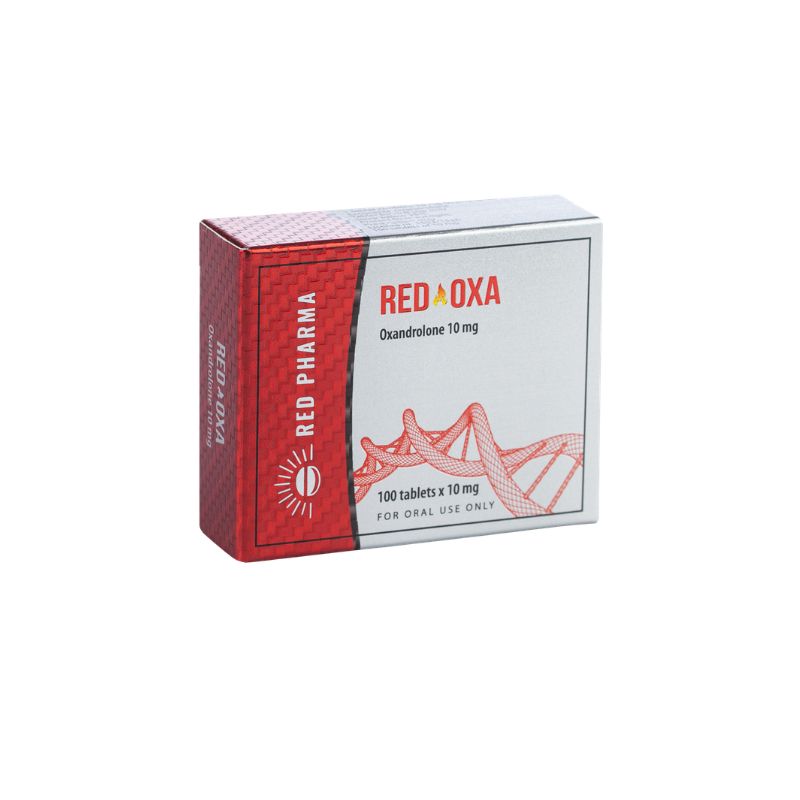
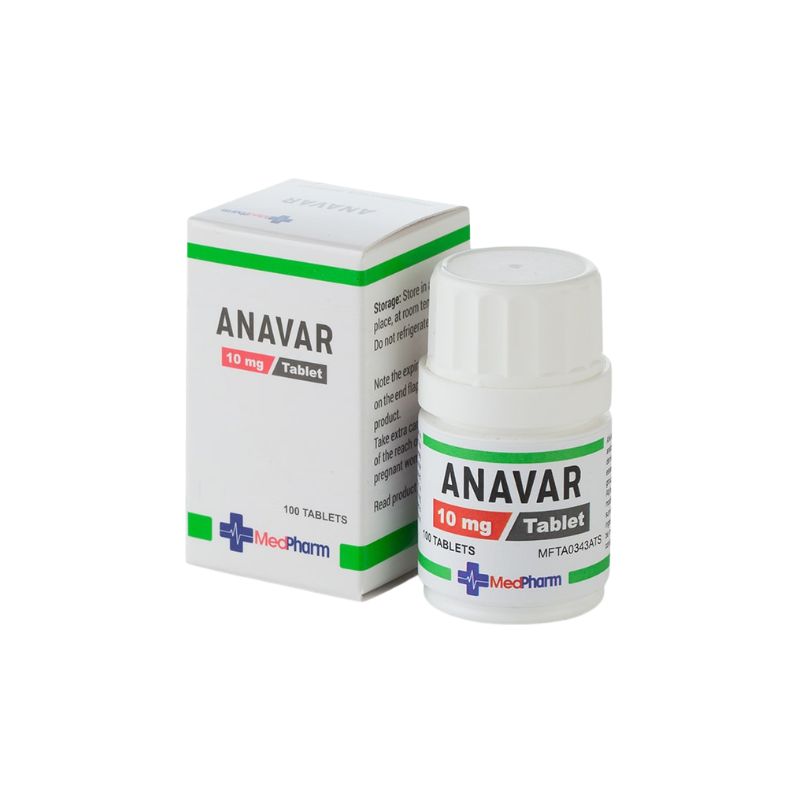 Anavar 10 mg (Oxandrolone – Tablets)
Oxandrolone is one of the few anabolic steroids with a continuous, documented medical history rather than a gym mythology. It was approved in the US in 1964 as an adjunct to promote weight gain after weight loss from surgery, chronic infection, trauma, or unexplained causes, and in some patients to offset protein catabolism from long corticosteroid courses. That label indication — weight regain under supervision — is still the core of it sixty years later.
Where the evidence actually accumulated
Three populations produced the serious literature. Girls with Turner syndrome received it for growth in paediatric endocrine practice. Severe-burn units studied it for lean-mass preservation during recovery. And in the 1990s, HIV-associated wasting made it the subject of randomised, placebo-controlled trials in infected men losing weight — among the cleaner efficacy datasets any oral anabolic steroid has. Notably, oxandrolone’s reputation as “mild” comes partly from chemistry: it is not aromatised to estrogen, so the gynecomastia and water retention of its cousins are largely absent from its record.
The other half of the label
The same label carries what the mythology skips. Peliosis hepatis, liver tumours, and lipid changes sit in the warnings; cholestatic jaundice is documented. In the US, oxandrolone has been Schedule III since the Anabolic Steroid Control Act of 1990 — approved, but controlled, with virilisation warnings for women and children that limit its paediatric use to specialists.
Reading it straight
Oxandrolone’s story is the template for reading any pharma compound honestly: a real approval with named indications, a real trial literature in defined populations, and real warnings earned over decades. Nothing here is a recommendation — this page summarises published labelling and trials for research reference, and everything we supply is for in-vitro laboratory work only.