
Steroids & Anabolics.
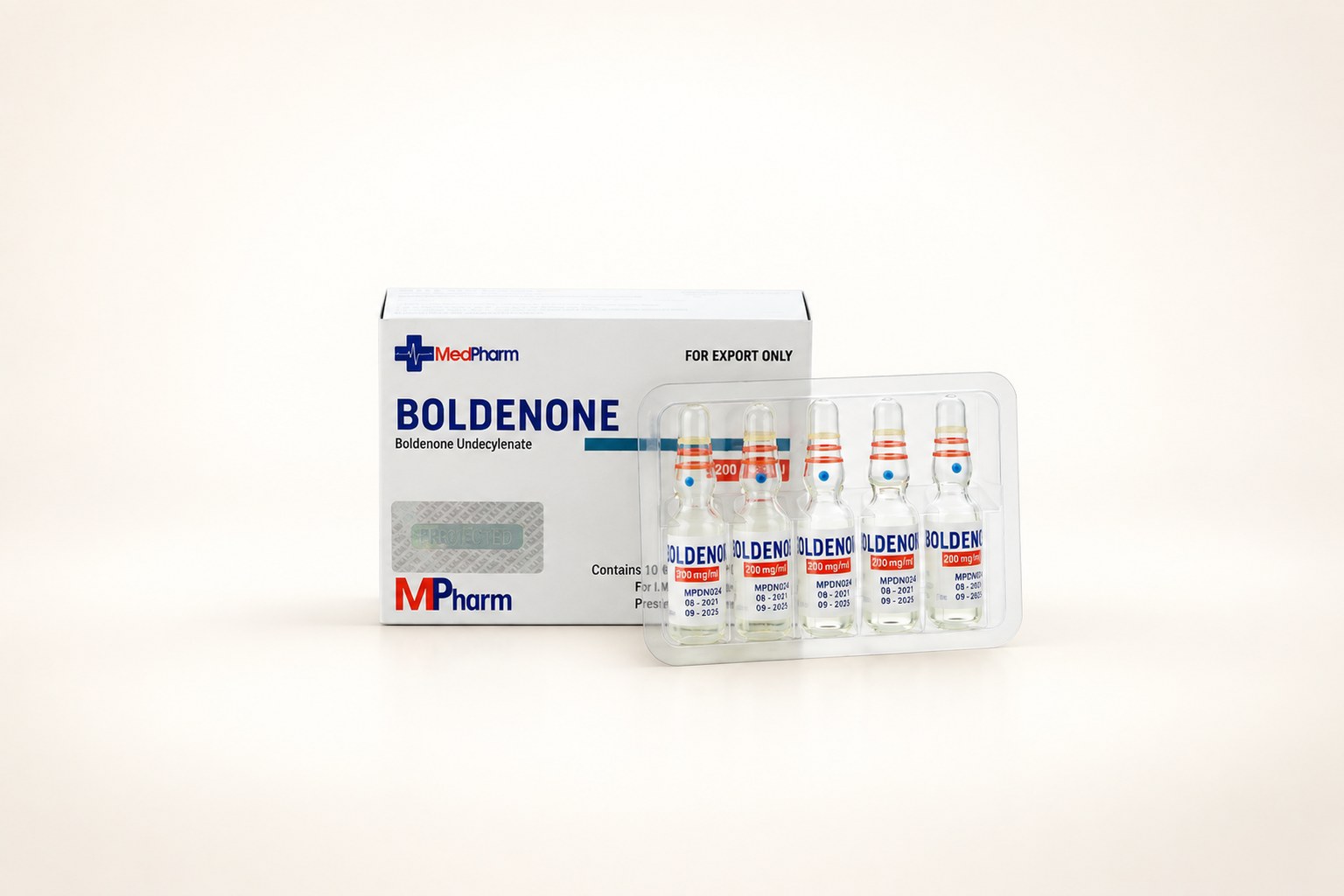
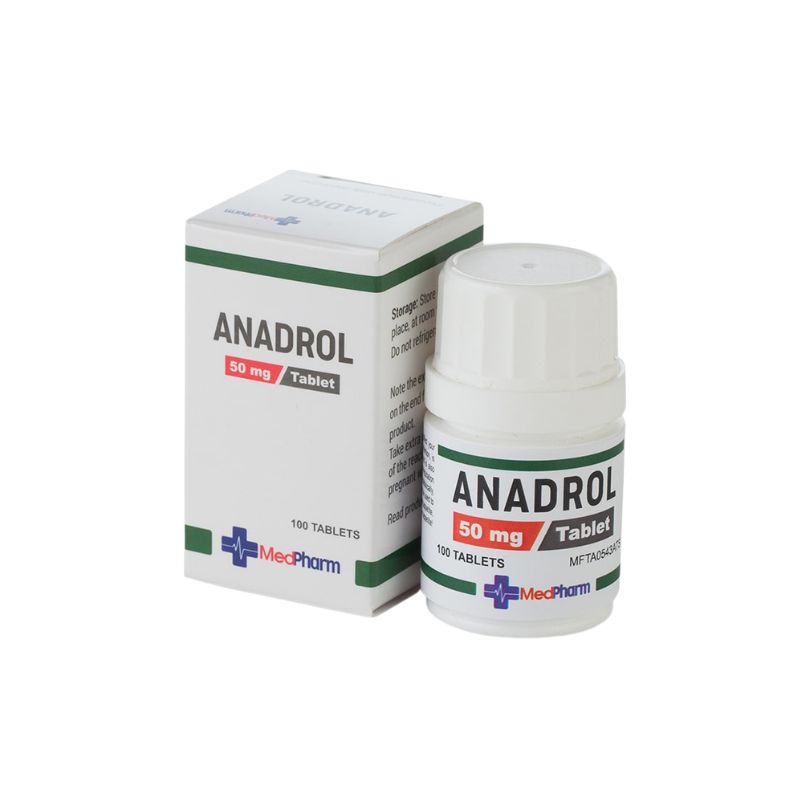
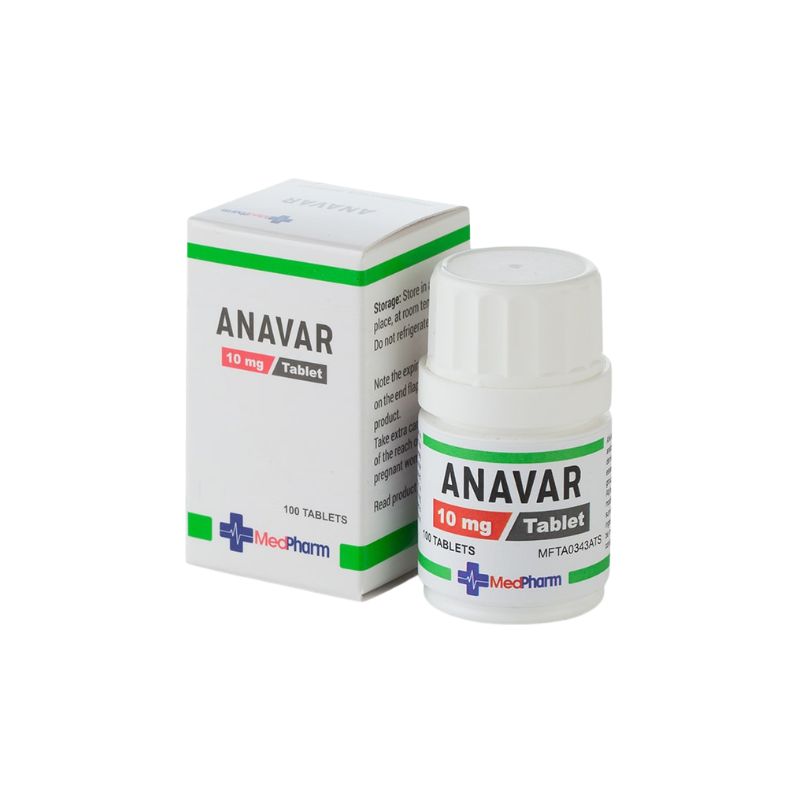
Non-RED oral tablets and oil-based injectables for androgen research, in the makers' sealed packaging.
Worth reading first
 Performance
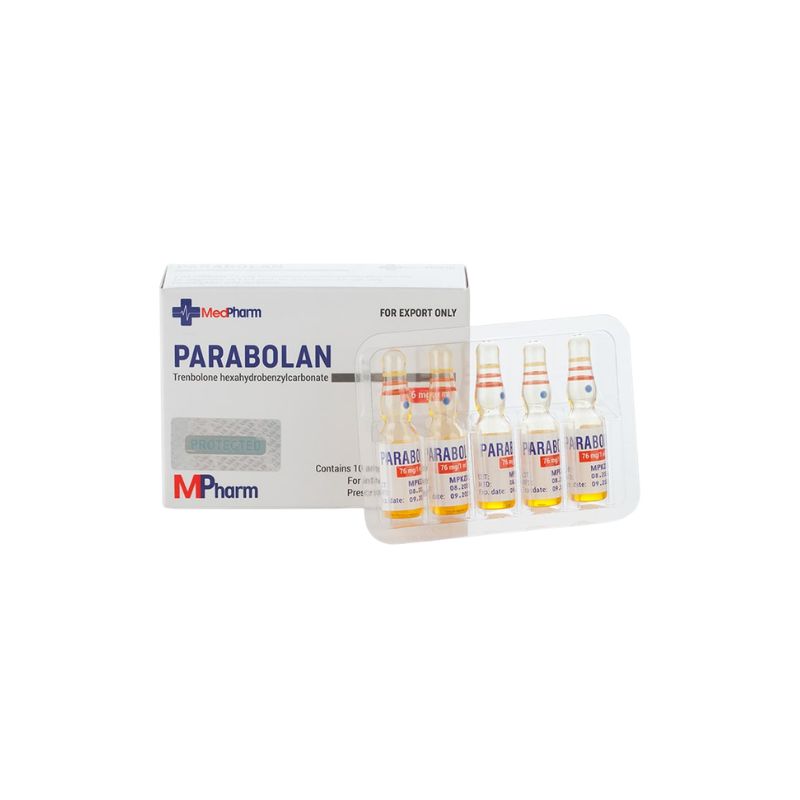
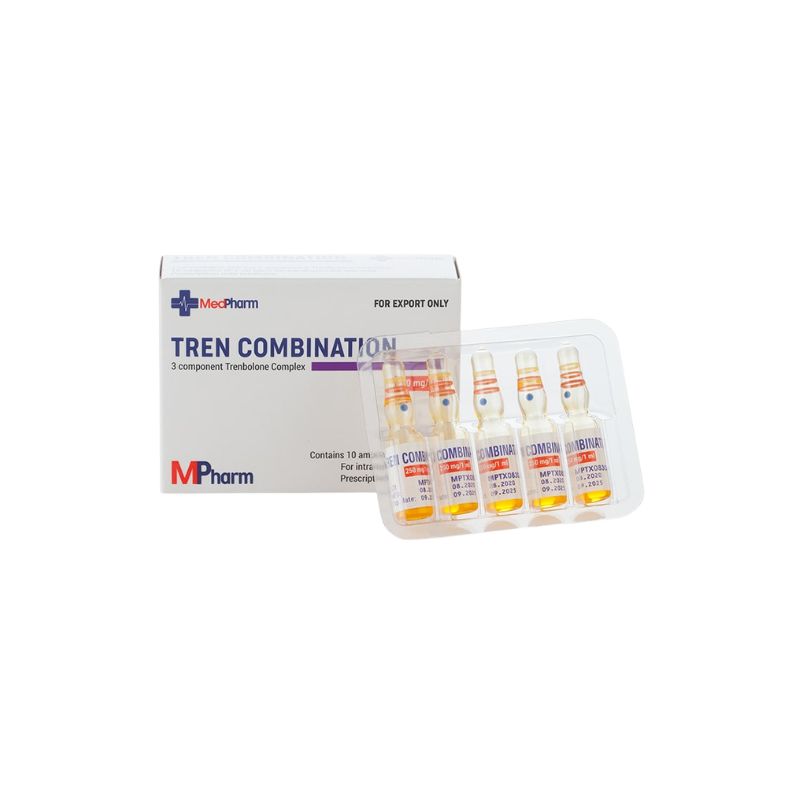
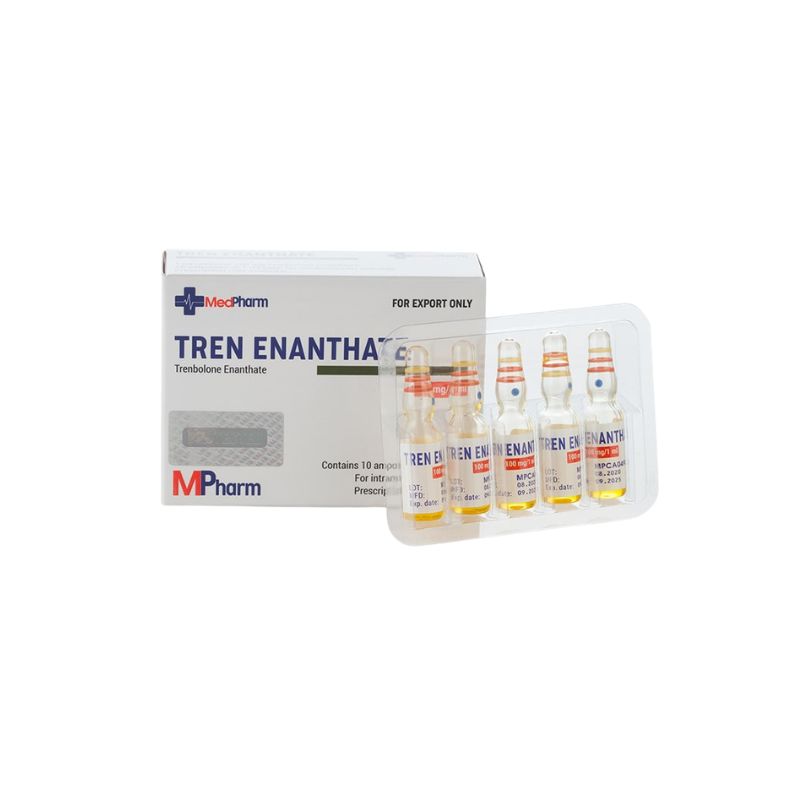
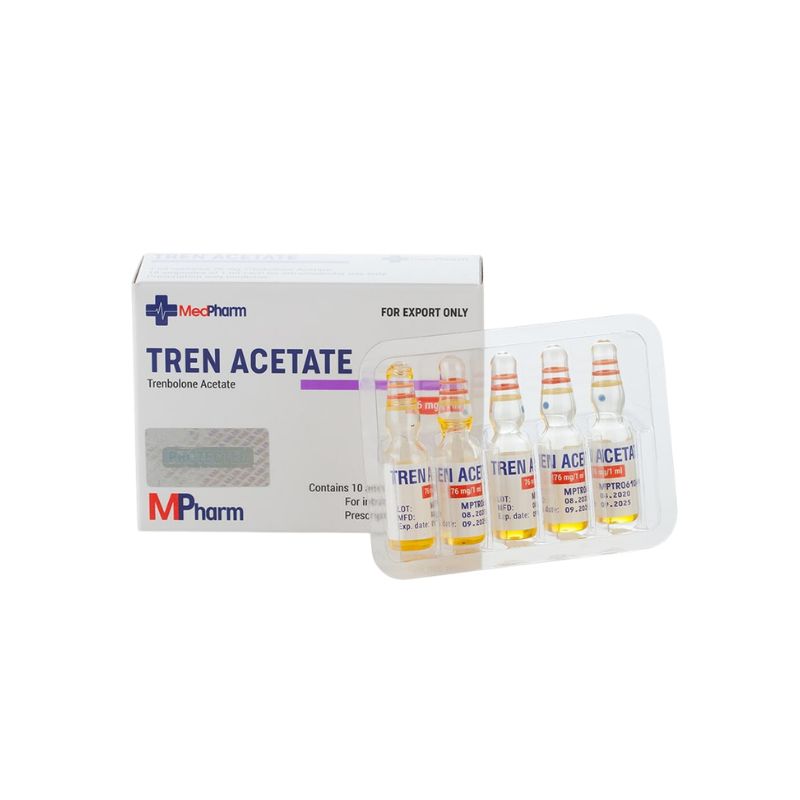
Trenbolone acetate, enanthate and hexahydrobenzylcarbonate: what the esters do, and the thinness of the human record
Esterifying a steroid changes how fast it leaves the injection site and how often it has to be given; it does not change which receptor the active form hits. On trenbolone specifically, the published human record is thin and the best human source says so. A 2024 review of adverse effects states that many effects remain unknown and that poly-anabolic-steroid use confounds the literature. The Ames and micronucleus work concluded trenbolone was devoid of genotoxic activity. No head-to-head human pharmacokinetic comparison of the three esters is on this page, because none was found.
 Claims we checked
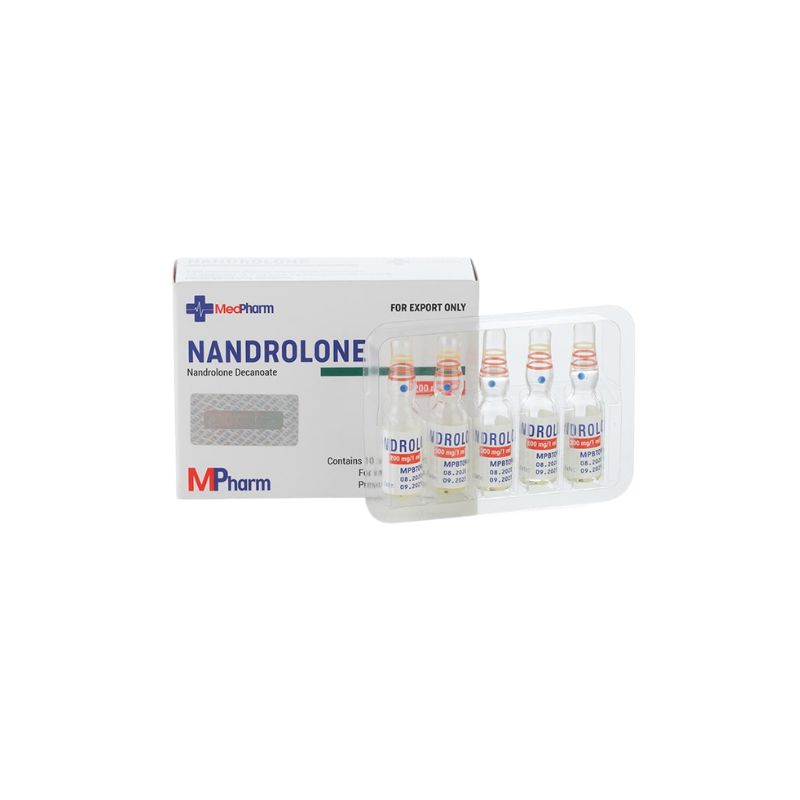
Nandrolone and bone: the eight-week DXA result
The best-designed body-composition trial on this shelf is a randomised, double-blind, placebo-controlled study in 16 experienced male bodybuilders on nandrolone decanoate 200 mg per week for 8 weeks. It measured body mass, fat-free mass, water compartments and DXA bone mineral content and density. Muscle mass went up 2.6 kg. Bone mineral content and density did not change at all.
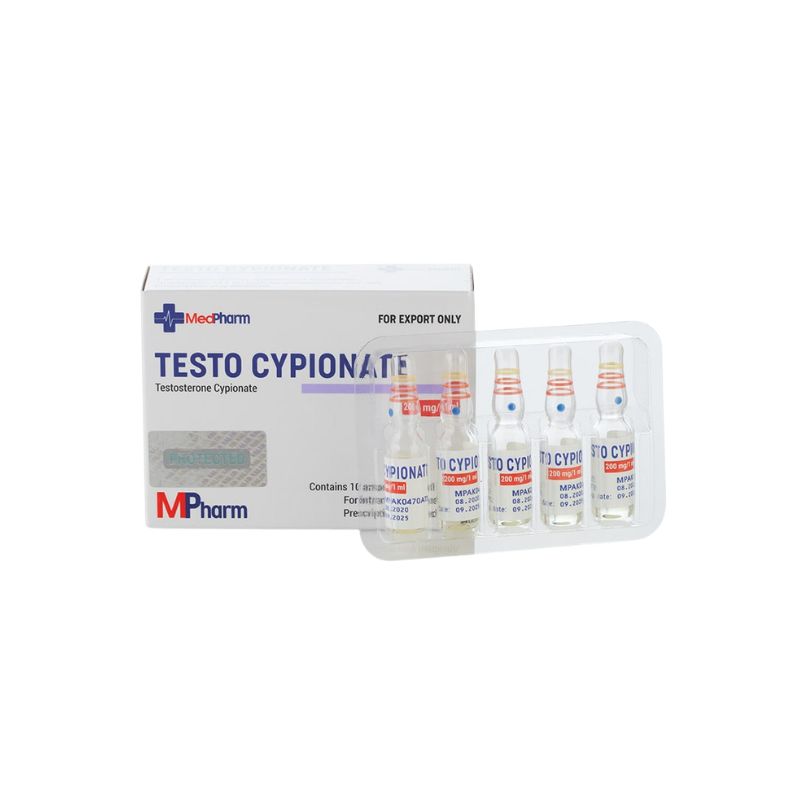 Hormonal
Testosterone and the prostate: the long-term registries
Three registry cohorts followed 1,023 hypogonadal men on testosterone, median five years, and found 11 prostate cancers across two urology settings with none reported at the andrology centre — without a control group. A 2017 systematic review found none of 20 prospective studies linking endogenous testosterone to prostate cancer risk, and two meta-analyses of randomised placebo-controlled trials reported no significant increase. Both authors still call for a study with adequate power.