Boldenone and trenbolone: no human body-composition trial
One of them was developed to put weight on cattle and is detected in beef by transcriptomic screening at 90% accuracy. The other has a rabbit study, a 2024 organ-system review, and no randomised human trial measuring lean mass. This page is about that absence, not around it.
14 October 2026 · 5 min read
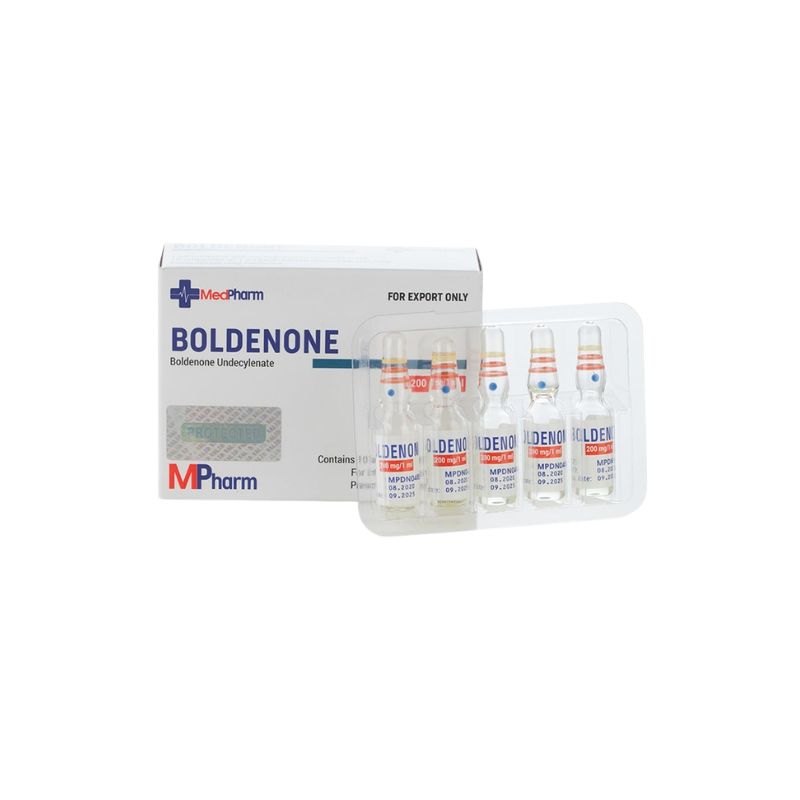 Boldenone (Boldenone – Injectable)
Two compounds sit on this shelf that share a property almost nothing else on it has: both were developed for livestock, and neither has a randomised human trial measuring what a person would care about. That is not a gap in this page’s searching. It is the finding.
Trenbolone, from the beef industry inward
The most rigorous trenbolone paper on this page is not a human study. It is a 2014 paper in Research in Veterinary Science using DNA microarray on bovine muscle, examining the effect of steroid hormone implants containing trenbolone alone, trenbolone combined with oestradiol, and trenbolone with oestradiol and dexamethasone. Large sets of genes were modulated by the different growth promoters, the regulated pathways were mostly shared, and treated animals were accurately identified from a small number of predictive genes — 90% classification accuracy using 105 predictive gene markers.
Read that twice. Trenbolone’s most reliably demonstrated biological effect is a large enough transcriptomic signature in muscle tissue to detect it in slaughtered cattle with 90% accuracy from a muscle sample. That is what the compound is for: the same signature that makes it useful as a growth promoter makes it detectable, and the analytical chemistry of food testing is built around that.
The 2024 review in Endokrynologia Polska describes the human side. Trenbolone is a synthetic analogue of testosterone in the nandrolone group, with a strong anabolic effect and a limited androgenic effect. The review’s own framing is blunt: it is used illegally by professional and amateur athletes to improve athletic performance and appearance by increasing muscle mass; like other anabolic-androgenic steroids it is harmful, with 90% of users experiencing injurious side effects. Severe acne and gynaecomastia affect approximately one-third of users, along with excessive body hair, stretch marks, hypertension and cardiac arrhythmia.
The same review names two things a marketing page never does. Contamination: use frequently results in local inflammation at the injection site, muscle adhesions and fibrosis, nerve damage and, in extreme cases, necrosis of the injection site. And confounding: because multiple anabolic-androgenic steroids may be used simultaneously, this presents a significant problem in studying them — and many effects “remain unknown” for exactly that reason.
Boldenone, and the rabbit study
A 2016 paper in Toxicology and Industrial Health studied boldenone in adult New Zealand rabbits — 32 animals in four groups, a control injected with olive oil, and three groups receiving one, two or three intramuscular injections of 5 mg/kg, dissected at 3, 6 and 9 weeks. All animals appeared healthy, showed no clinical signs, and none died.
After one, two or three injections, serum total protein, globulin, alanine aminotransferase, aspartate aminotransferase, urea, creatinine, testosterone, luteinising hormone and follicle-stimulating hormone were all significantly increased, while direct bilirubin, albumin and the albumin/globulin ratio were significantly decreased (p<0.05). The authors connect this to “the common phenomena in athletes and bodybuilders who suffer from infertility, renal and hepatic alterations”.
The important structural fact is in the introduction of that paper rather than its results. Boldenone is an androgenic steroid that improves growth and food conversion in food-producing animals, and in most countries worldwide it is forbidden for human use and for meat production because it was developed for veterinary use. It notes it is used by bodybuilders off-season and pre-contest, and that it is well known for increasing vascularity.
So the entire human evidence base for boldenone on this page is: a rabbit study, a regulatory prohibition, and a market observation. There is no body composition trial, no strength trial, no lean mass measurement in a human anywhere in the four references on this page.
The honest summary of the class
Trenbolone has the better-characterised mechanism of the two — a high anabolic-to-androgenic profile is the entire reason it is prescribed in feedlot cattle, and the 2024 review states the mechanism plainly. Boldenone has a longer and weirder history in human use and a much thinner published record.
Neither of those facts is an efficacy finding. What the literature on this page contains is a transcriptomic detection method, an organ-system adverse-effect review, and a rabbit metabolic study. What it does not contain is a controlled measurement of what either compound does to lean mass in a person.
What the data do not show
They do not show a muscle, strength or body-composition effect in a human. Not for either compound. This is the central point of the page and it is stated in the papers themselves: boldenone is forbidden for human use in most countries, and the trenbolone review is written about illegal use with known unknown effects.
They do not show that “limited androgenic” means “safe”. That phrase in the 2024 review is a description of receptor profile, and the same abstract then reports gynaecomastia and severe acne in about a third of users. A relative comparison is not an absolute one.
They do not show a clean endpoint for the side effects. The review is explicit that many effects remain unknown, that the concurrent use of multiple compounds is a major obstacle to attributing them, and that further research is necessary. Any number for “trenbolone side effects” quoted without that caveat is quoting a review that disclaims it.
They do not show the compounds on this shelf match the studied material. The cattle work used implant formulations and the detection method was built on those tissues; the rabbit work used 5 mg/kg intramuscular injections. Neither is a vial of a research preparation, and the review names contamination, fibrosis and necrosis as a recurring practical problem with black-market supply specifically.
They do not show a benefit that would offset any of the above. A compound with no human efficacy dataset and a documented adverse-effect profile is not a case where the evidence simply has not caught up yet. It is a case where the efficacy question has not been asked.
Where this sits on the shelf
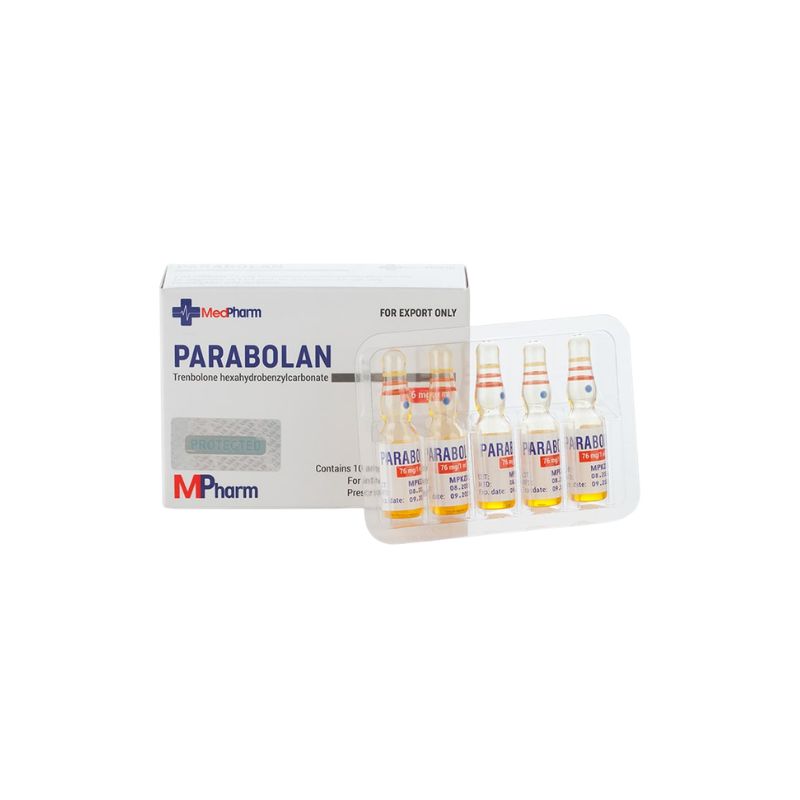
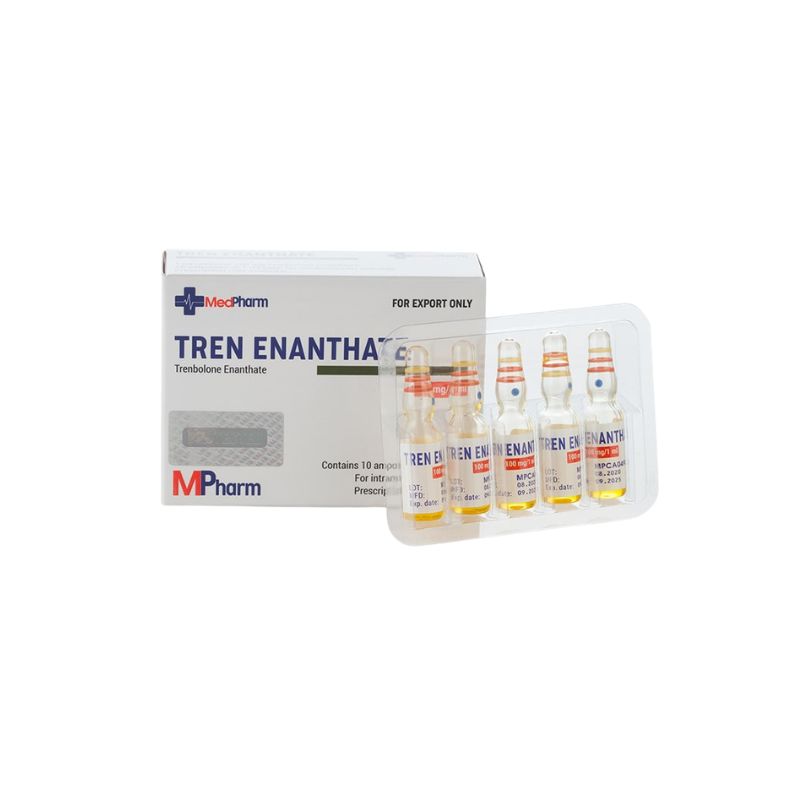
The compounds as supplied by the manufacturer: Boldenone · Parabolan · Tren Enanthate
What we supply
The preparations above, as supplied by the manufacturer, tracked, from inside the EU.
Research use only. This page summarises published studies for research reference. It is not medical advice, not a protocol, and not a suggestion for human use. Nothing we supply is for human or veterinary use.
References.
- Pegolo S, Cannizzo FT, et al. Transcriptomic profiling as a screening tool to detect trenbolone treatment in beef cattle. Res Vet Sci 2014;96(3):472-481.
- Borecki R, Byczkiewicz P, Słowikowska-Hilczer J. Impact of trenbolone on selected organs. Endokrynol Pol 2024;75(3):267-278.
- Tousson E, El-Moghazy M, et al. Physiological and biochemical changes after boldenone injection in adult rabbits. Toxicol Ind Health 2016;32(1):177-182.