Four testosterone esters and their curves
The same steroid, four esters, four different curves. Supraphysiological peaks of 71 nmol/L at 24-48 hours from mixed esters, eight weeks of stability from a 1,000 mg undecanoate injection, and a primate study concluding that peak height and aromatisation matter more than total dose.
15 October 2026 · 5 min read
 Testosterone Propionate
Testosterone esters are the least complicated thing on this shelf chemically: the same steroid, the same receptor, four different side chains that change when it is released. Almost everything that distinguishes one row from another in the catalogue follows from that one fact, and the three papers on this page are about nothing else.
What an ester is doing, and what the 1984 study measured
A 1984 paper in Clinical Endocrinology compared three delivery routes in small numbers of hypogonadal men, and its numbers are the ones worth keeping.
Oral testosterone undecanoate 80 mg twice daily, in six men over eight weeks with serial sampling: serum testosterone showed marked variability both between subjects and within the same subject on different occasions, which the authors attribute to variability in absorption of undecanoate formulated in oleic acid. The overall mean testosterone level calculated from the areas under the profiles was 12.0 nmol/l.
Intramuscular mixed testosterone esters 250 mg, in nine men: serum testosterone rose to supraphysiological peak concentrations — mean 71 nmol/l — 24 to 48 hours after an injection, followed by an exponential decay back to baseline concentrations after two to three weeks. The overall calculated mean level on 250 mg every three weeks was 27.7 nmol/l.
Subcutaneous implantation of six 100 mg fused testosterone pellets, in six men: a gradual rise followed by a slow decline, with levels remaining within the normal range for four to five months, and an overall mean of 17.0 nmol/l over 21 weeks.
There is a second set of numbers in that abstract that matters more than the first. Serum oestradiol stayed within the normal male range throughout on both oral and implant therapy, but showed a supraphysiological peak — mean 347 pmol/l — 24 to 48 hours after an injection. DHT levels paralleled testosterone on all three routes, with DHT:T ratios highest on oral undecanoate.
So the same molecule, the same weekly intent, produced a supraphysiological testosterone peak and a supraphysiological oestradiol peak on the injectable route, and neither on the other two. That is the whole argument about esters in one paragraph, and it was published in 1984.
The authors’ cost observation is dated but not wrong in structure: at the doses studied, drug costs were similar for implantation and for ester injections, and seven to eight times higher for oral undecanoate.
How far a long-acting preparation can stretch
A 1998 pharmacokinetic study in the Journal of Andrology looked at injectable testosterone undecanoate in eight men with Klinefelter’s syndrome, who received 500 mg and then 1,000 mg, with the other dose three months later.
Mean serum testosterone rose from under 10 nmol/L to 47.8±10.1 and 54.2±4.8 nmol/L at the end of the first week for the two doses, then fell progressively, reaching the lower-normal limit for adult men by day 50 to 60. Terminal elimination half-life was 18.3±2.3 and 23.7±2.7 days, with mean residence time 21.7±1.1 and 23.0±0.8 days.
The authors’ recommendation is the useful sentence: the 500 mg dose, when given second, yielded optimal pharmacokinetics — defined as mean peak not exceeding the normal range and persistence of normal levels for at least seven weeks — suggesting repeated injections of 500 mg at six to eight week intervals may provide optimal replacement. They contrast this directly with the two-week intervals necessary with currently used esters such as enanthate and cypionate.
Two things the paper also records, because they are counter-intuitive. Sex hormone binding globulin, near the upper limit of normal before any therapy, was reduced by approximately 50% just before the second injection — and the authors note this could have lowered peak total testosterone and accelerated clearance after the second dose. A second identical injection is not pharmacokinetically identical to the first.
What the primates showed about peaks
The 2003 Journal of Andrology study gives the clearest statement of why the curve shape matters more than the total. Twenty adult male cynomolgus monkeys were randomised to 28 weeks of testosterone enanthate every four weeks, testosterone buciclate every seven weeks, testosterone undecanoate every ten weeks, or no treatment — each injection delivering 20 mg pure testosterone per kilogram body weight.
Enanthate produced the higher peaks; undecanoate and buciclate had longer half-lives. All regimens suppressed LH bioactivity and testicular volume declined. Sperm counts fell markedly in all treated animals, but least with enanthate — the shortest-acting, highest-peaking schedule. During recovery, return to normal occurred significantly earlier in the enanthate-treated animals, then undecanoate, then buciclate. Body weight rose in all, more strongly and more durably with buciclate. Serum creatinine and haemoglobin rose significantly in all treated animals. The lowering impact on serum lipids was markedly stronger in the longer-acting preparations.
The authors’ conclusion: the pattern of exposure and degree of aromatisation, rather than overall exposure to testosterone, determine its effects. Both fluctuations in androgen concentration and the conversion rate to estradiol influence gonadal suppression as well as metabolism.
What the data do not show
They do not show a body composition, strength or performance result for any ester. Every outcome in these three papers is a hormone concentration, a hormone-derived measurement, or an animal endpoint. Testosterone esters are among the best-studied compounds in existence and the strength evidence is not what makes them well studied.
They do not show a direct head-to-head between the four esters on this shelf. The 1984 study compared mixed esters against oral undecanoate and pellets, not enanthate against cypionate against propionate. The primate study compared enanthate, buciclate and undecanoate on fixed intervals in monkeys. The differences in the abstract that would let you predict how two esters feel side by side have not been printed in a human study on this page.
They do not show that a flatter curve is better. The 1984 authors concluded implantation was overall the most physiological form of androgen replacement; the 1998 authors concluded 500 mg undecanoate gave optimal pharmacokinetics; the 2003 primate study found the highest-peaking schedule had the smallest effect on sperm counts and the fastest recovery. Those are different endpoints, and the trade-off between peak suppression and duration is exactly the unresolved part.
They do not show that “physiological range” is the relevant target for anyone reading a product page. Every number above is from men in hypogonadism, on replacement regimens, with a clinical indication, monitored.
Where this sits on the shelf
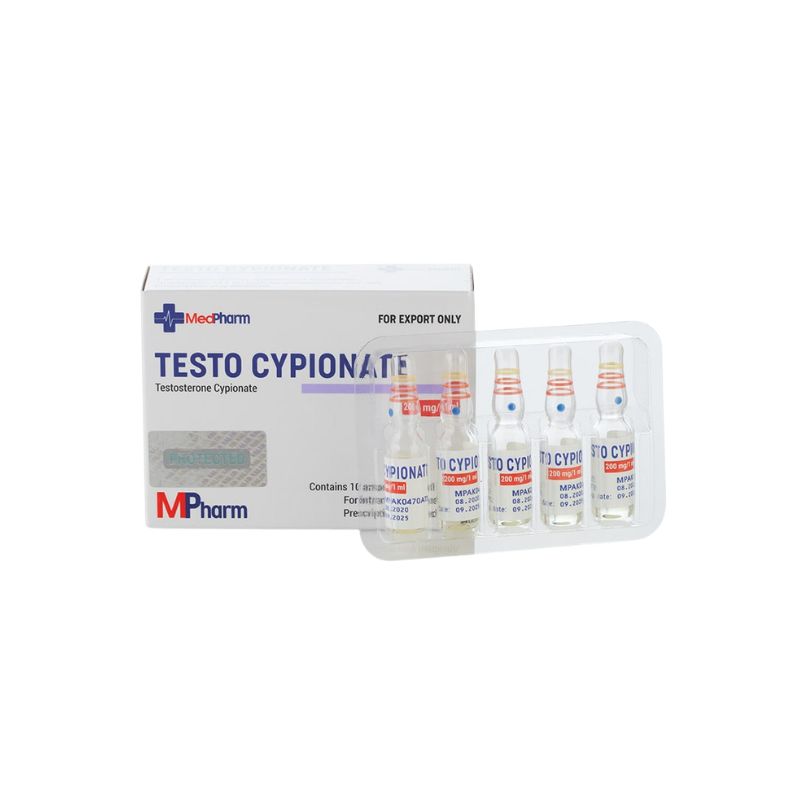
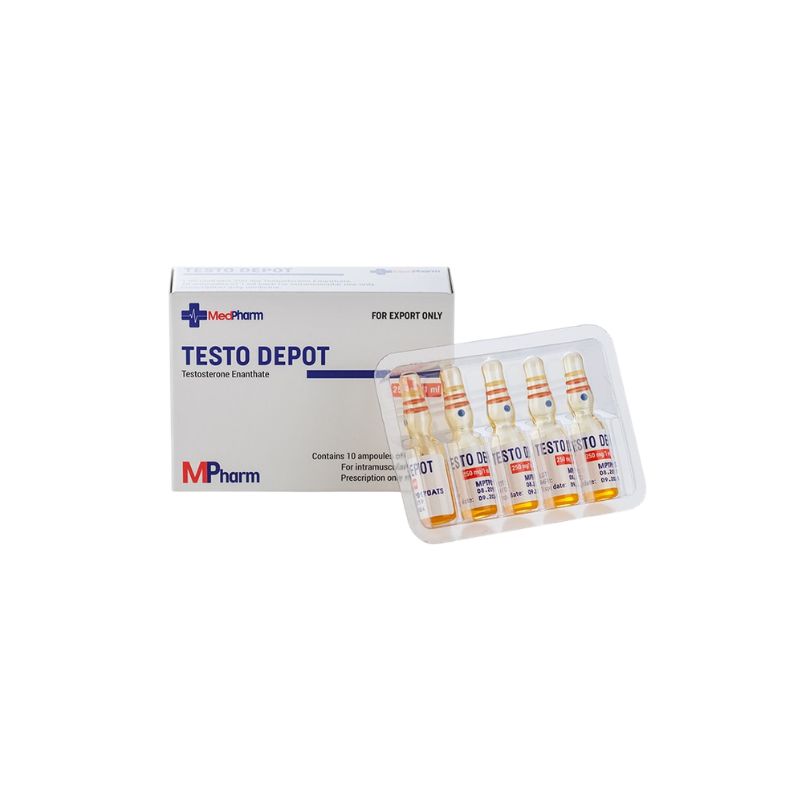
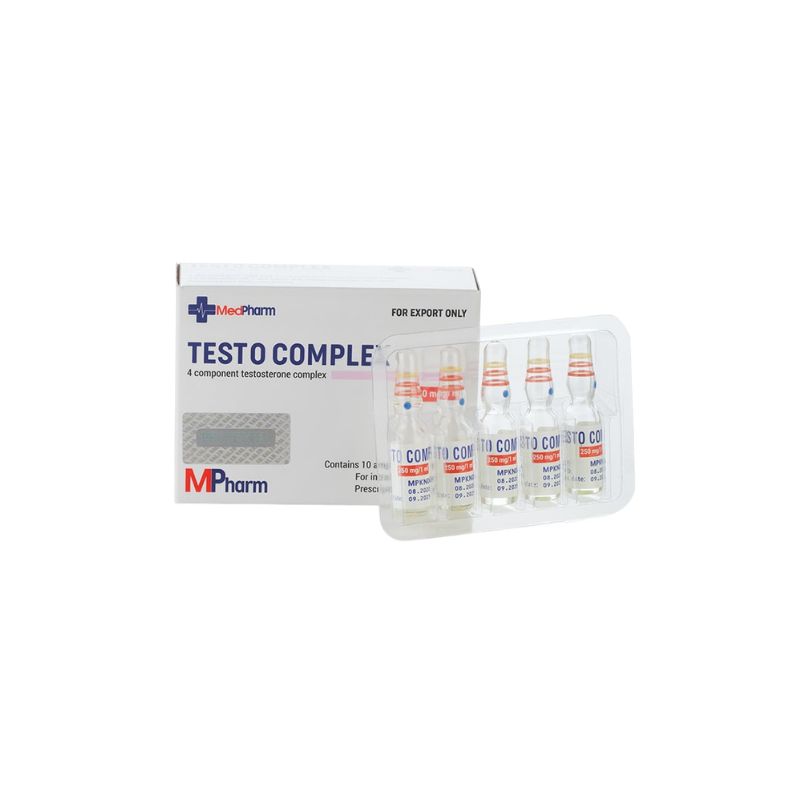
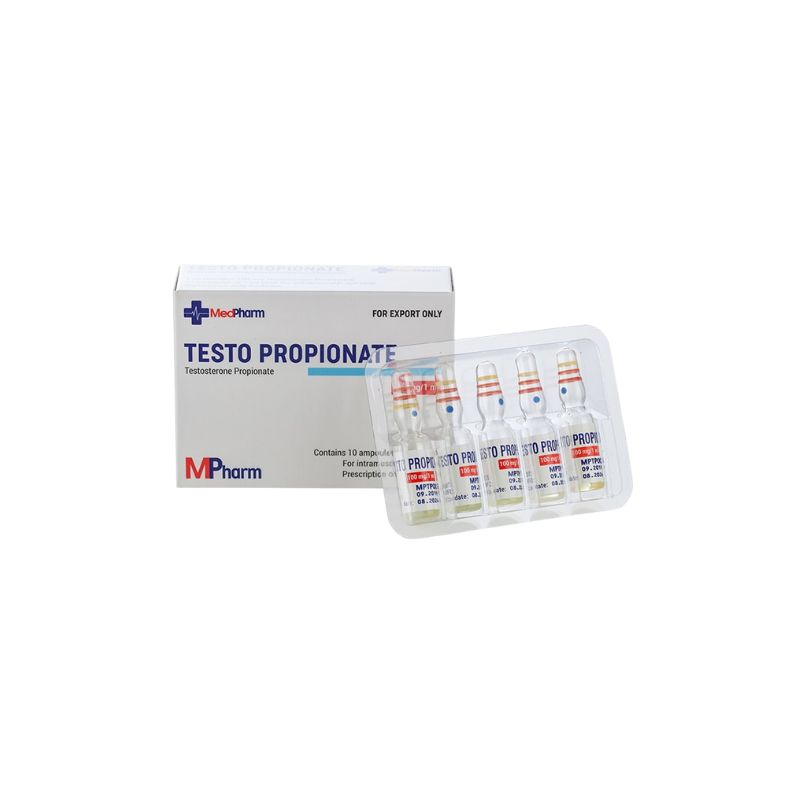
The compounds as supplied by the manufacturer: Testosterone Propionate · Testosterone Cypionate · Testo Depot (Testosterone Enanthate) · Testo Complex (Testosterone Blend)
What we supply
The preparations above, as supplied by the manufacturer, tracked, from inside the EU.
Research use only. This page summarises published studies for research reference. It is not medical advice, not a protocol, and not a suggestion for human use. Nothing we supply is for human or veterinary use.
References.
- Cantrill JA, Dewis P, et al. Which testosterone replacement therapy? Clin Endocrinol (Oxf) 1984;21(2):97-107.
- Zhang GY, Gu YQ, et al. A pharmacokinetic study of injectable testosterone undecanoate in hypogonadal men. J Androl 1998;19(6):761-768.
- Weinbauer GF, Partsch CJ, et al. Pharmacokinetics and degree of aromatization rather than total dose of different preparations determine the effects of testosterone: a nonhuman primate study in Macaca fascicularis. J Androl 2003;24(5):765-774.