Nandrolone and bone: the eight-week DXA result
The best-designed body-composition trial on this shelf is a randomised, double-blind, placebo-controlled study in 16 experienced male bodybuilders on nandrolone decanoate 200 mg per week for 8 weeks. It measured body mass, fat-free mass, water compartments and DXA bone mineral content and density. Muscle mass went up 2.6 kg. Bone mineral content and density did not change at all.
27 October 2026 · 3 min read
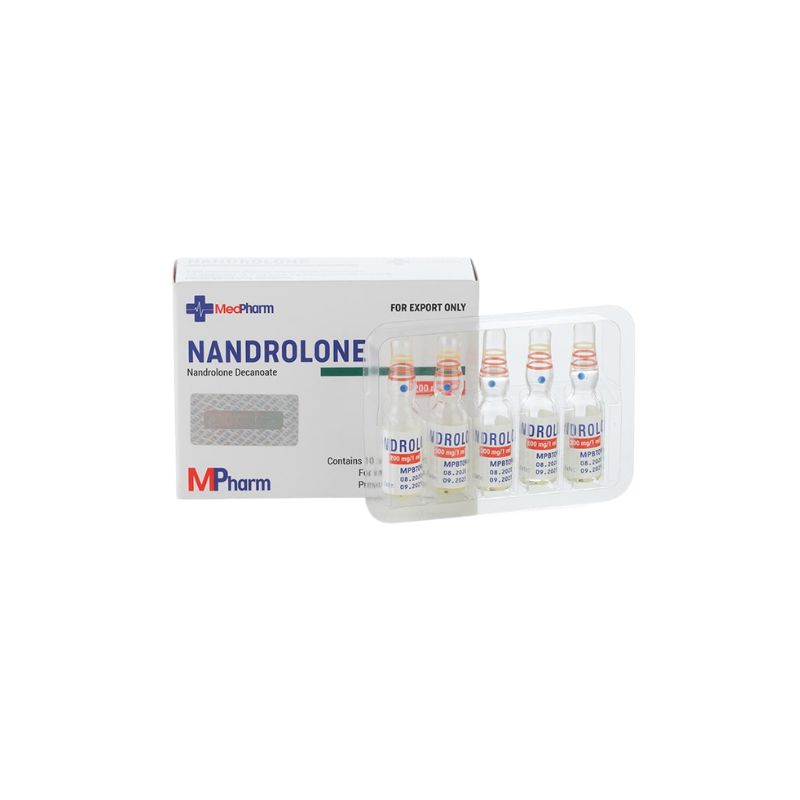 Nandrolone Decanoate
The claim that an anabolic steroid builds bone is one of the oldest in this field, and it is testable with the same instruments used to measure muscle: dual-energy X-ray absorptiometry. The trial below is the one that did it properly, and the bone half of its result is a null.
The trial: 16 bodybuilders, 8 weeks, four-component model
The 2004 Medicine and Science in Sports and Exercise paper used a randomised, “double-blind”, “placebo-controlled” design — the paper’s own quotation marks — in 16 experienced male bodybuilders aged 19 to 44, who received nandrolone decanoate at 200 mg per week intramuscularly or placebo for 8 weeks.
The measurement stack is what makes this study worth reading. Body composition was assessed using the four-component model, combining underwater weighing, DXA and deuterium dilution. Total bone mineral content and density were measured using DXA. Water compartments — extracellular and intracellular — were determined by deuterium dilution and bromide dilution.
Results: nandrolone produced significant increments of body mass +2.2 kg, fat-free mass +2.6 kg, and total body water +1.4 kg. And then, in the same results paragraph:
No significant changes in fat mass, percentage fat, ECW, ICW, ECW/ICW ratio, hydration of the FFM, and on bone mineral measurements were observed.
The authors’ conclusion restates it: fat mass, bone mineral content, bone mineral density, and the hydration of the fat-free mass remained unaffected, and the changes can be attributed to an increase of muscle mass.
Two things are worth naming. First, 8 weeks is short for a bone endpoint, and the paper does not claim otherwise — it reports what DXA saw in 8 weeks, which is a statement about measurement sensitivity as much as about biology. Second, the +1.4 kg of total body water alongside +2.6 kg of fat-free mass is the kind of detail that only appears when the investigators measure four compartments instead of two.
The companion paper, on whether the measurement was any good
A second paper from the same group, in the same issue, tested the instruments rather than the drug. In a cross-sectional study of 27 male bodybuilders who used exercise and androgenic anabolic steroids — 15 of whom also took part in an intervention programme — the four-component model served as the gold standard, and was compared against underwater weighing, deuterium dilution, a three-compartment model incorporating total body water, a three-compartment model incorporating bone mineral content, and descriptive methods including DXA, BMI-based prediction equations, skinfold measurement and bioimpedance.
The result that matters for the trial above: the descriptive methods had small biases — with the exception of BMI — but relatively large errors, in the range of 5.5-8%. DXA is a descriptive method in this comparison. The authors conclude that apart from the BMI prediction equation and the 3Cb model, all methods gave acceptable group mean values, and that when accurate measurements are needed on an individual level only the 3Cw model could serve as an alternative to the four-component model.
So: a group mean from a 16-person study is readable, and an individual number is not. That is the limit the companion paper sets, and the trial above is a group mean.
What the data do not show
They do not show that nandrolone increases bone mineral content or density. Both were measured by DXA and neither changed significantly over 8 weeks.
They do not show a bone effect at any duration beyond 8 weeks, because the trial ran 8 weeks.
They do not show a bone effect of other anabolic steroids. Nandrolone decanoate at 200 mg per week is the only drug and the only dose in this study.
They do not show an individual-level body composition number. The companion method-comparison paper puts the error on descriptive methods, DXA included, at 5.5-8%.
One catalogue note, stated as a limit rather than as guidance: the 200 mg per week figure is the only dose in the abstract cited here. The presentations on this site are nandrolone decanoate and phenylpropionate ampoules, and no abstract cited on this page combines them or reports a second dose.
Where this sits on the shelf
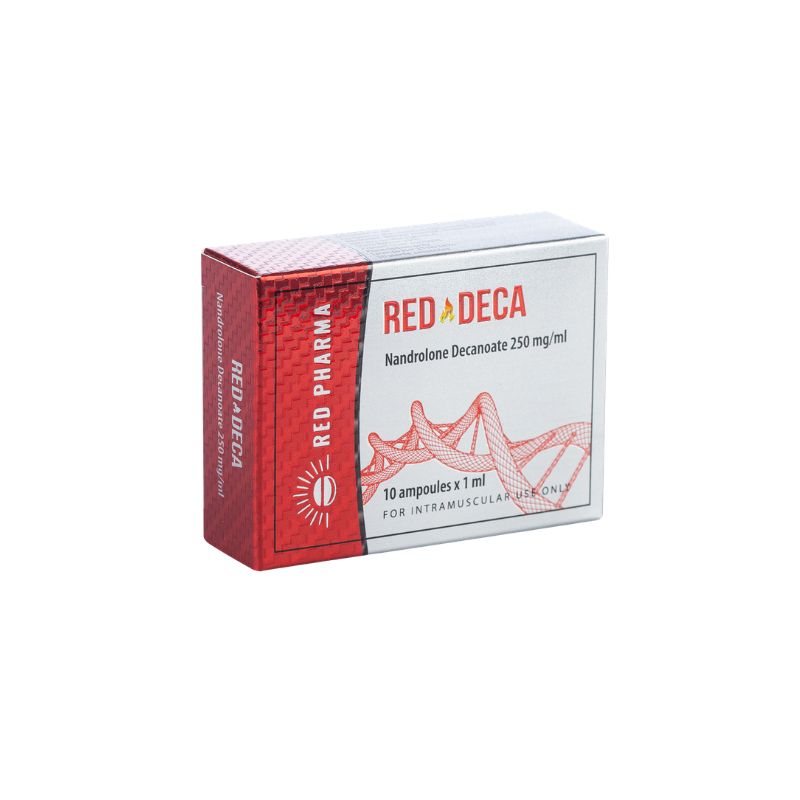
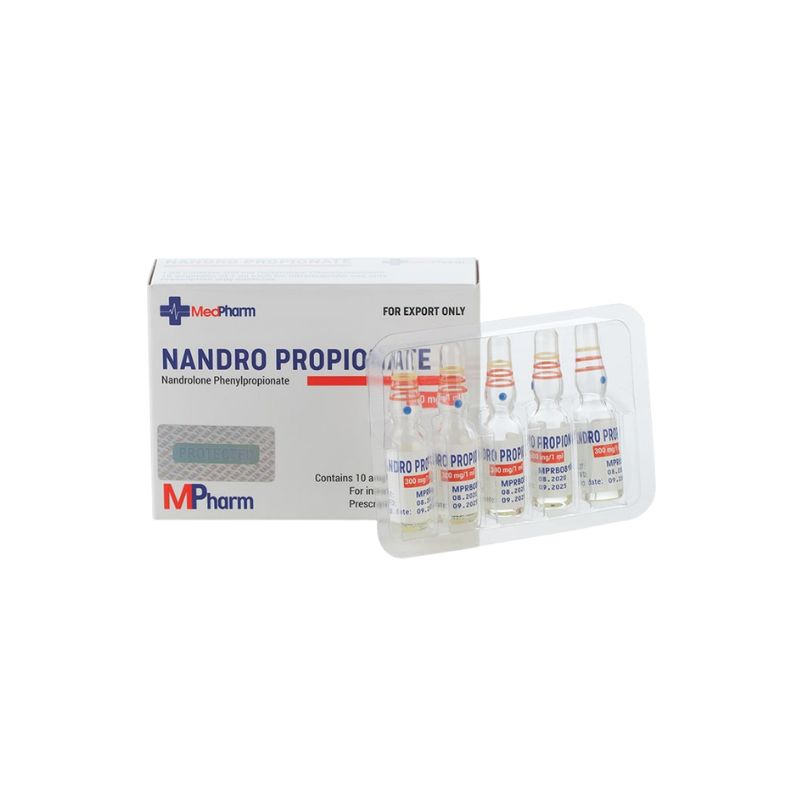
The compounds as supplied by the manufacturer: the nandrolone decanoate ampoule presentation · the RED nandrolone decanoate presentation · the nandrolone phenylpropionate presentation
What we supply
The nandrolone preparations above, as supplied by the manufacturer, tracked, from inside the EU.
Research use only. This page summarises published studies for research reference. It is not medical advice, not a protocol, and not a suggestion for human use. Nothing we supply is for human or veterinary use.
References.
- van Marken Lichtenbelt WD, Hartgens F, Vollaard NB, Ebbing S, Kuipers H. Bodybuilders' body composition: effect of nandrolone decanoate. Med Sci Sports Exerc 2004 Mar;36(3):484-9.
- van Marken Lichtenbelt WD, Hartgens F, Vollaard NB, Ebbing S, Kuipers H. Body composition changes in bodybuilders: a method comparison. Med Sci Sports Exerc 2004 Mar;36(3):490-7.