PDE5 inhibitors and the heart: 1.25 million person-years
A 2024 meta-analysis of 16 cohorts with 1,257,759 subjects finds major adverse cardiovascular events at RR 0.78 and all-cause mortality at RR 0.70 for PDE5 inhibitor users. The randomised data in the same literature are null or uninterpretable: MACE RR 3.47 with a confidence interval of 0.17 to 69.19 in the diabetic subgroup, and no difference in pulmonary hypertension. This page reads both halves.
18 October 2026 · 5 min read
 Viagra 100 mg (Sildenafil – Tablets)
There is a large, consistent and entirely observational claim that the erectile dysfunction drug class lowers cardiovascular events and death. It shows up in meta-analyses with million-subject denominators. It has never been tested in a randomised trial designed to answer it, and the randomised evidence that does exist is null or too small to read.
This is the clearest case in the catalogue where the size of an effect in a database is inversely related to how good the evidence is.
The observational record
The 2024 European Heart Journal — Cardiovascular Pharmacology meta-analysis pooled 16 cohort studies with 1,257,759 subjects, 10.5% of them exposed to a PDE5 inhibitor, median follow-up 4.3 years. The population was 99.4% male with a median age of 61.5 years. Users of the drug class had a significantly lower risk of the composite major adverse cardiovascular events endpoint (RR 0.78, 95% CI 0.69 to 0.89) and, pooled across 13 of the studies, a lower risk of all-cause mortality (RR 0.70, 95% CI 0.56 to 0.87). The authors conclude that the drugs could instigate the conduction of further, large-scale randomised clinical trials — which is an accurate statement of what the evidence is.
The 2025 TriNetX analysis is the same design at a larger scale. From a source database of 50 million US men it assembled 509,788 men with erectile dysfunction and 1,075,908 with lower urinary tract symptoms, prescribing between 2004 and 2021, matched on demographics and eight pre-existing conditions. In the erectile dysfunction cohort, tadalafil and sildenafil respectively were associated with reduced all-cause mortality (RR 0.66 and 0.76), myocardial infarction (0.73 and 0.83), stroke (0.66 and 0.78), venous thromboembolism (0.79 and 0.80) and dementia (0.68 and 0.75), with the authors reading more benefit for tadalafil.
Every one of those figures is an association between a prescription record and a later event. Men who are prescribed an ED drug and men who are not differ in ways a propensity score built from eight conditions and demographics does not capture — health-seeking behaviour is the obvious one, and it points the same way as the effect.
The randomised half
The 2022 diabetes-focused meta-analysis is the one that puts both halves side by side. On the exposure side, erectile dysfunction itself was associated with a composite cardiovascular disease or MACE outcome at RR 1.43 (1.31 to 1.55), all-cause mortality 1.47 (1.31 to 1.65), coronary heart disease 1.59 (1.39 to 1.82) and stroke 1.34 (1.15 to 1.56) in the general population, with a similar pattern in diabetes. On the treatment side, six studies reported on PDE5 inhibitor use in men with ED and diabetes, and the randomised data showed no significant differences: MACE RR 3.47 (95% CI 0.17 to 69.19), coronary heart disease RR 1.31 (0.10 to 16.54), all-cause mortality RR 0.35 (0.12 to 1.05).
A confidence interval from 0.17 to 69.19 is not a result. It is an admission that the randomised trials were too small and too few to estimate anything, which is exactly what the authors say.
Where randomised trials did run, they were null
Three randomised settings exist and none produced a cardiovascular benefit.
In pulmonary hypertension, the 2023 meta-analysis of 17 randomised trials found real functional and haemodynamic effects — cardiac index up by 0.18 L/min/m² (95% CI 0.04 to 0.32), mean pulmonary artery pressure down 5.61 mmHg (95% CI −7.60 to −3.62), six-minute walk distance up 26.26 m (95% CI 16.95 to 35.57). Mortality (RR 0.51, 95% CI 0.17 to 1.54) and hospitalisation (RR 0.59, 0.23 to 1.55) did not differ.
In heart failure with preserved ejection fraction, the RELAX trial randomised 216 participants to sildenafil or placebo. Mean baseline eGFR was 60.8 mL/min/1.73 m² and the eGFR slope during follow-up was −3.21 per year. Sildenafil did not alter the total eGFR slope against placebo (difference +0.47 mL/min/1.73 m² per year, 95% CI −6.63 to 7.57). There was a hint of a steeper acute slope (−3.15) and a more positive chronic slope (+2.06), and the paper is careful to say neither reached statistical significance.
After a left ventricular assist device, the 2022 STS-INTERMACS analysis took 9,627 recipients, of whom 2,463 (25.6%) received a PDE5 inhibitor early, and propensity-matched 1,600 of them to controls. The unmatched cohort looked bad for the drug; after matching the differences attenuated to late right heart failure 40.8% against 35.7% (HR 1.14, 95% CI 0.99 to 1.32, P = 0.07), mortality 38.6% against 35.8% (HR 0.99), and major bleeding 51.2% against 46.0% (HR 1.12, P = 0.06). The authors’ conclusion is that there is no obvious benefit of PDE5 inhibitors in the LVAD population.
The blood-pressure literature is thinner still: the 2022 systematic review of PDE5 inhibition in resistant hypertension included five articles, four of which used a single-day protocol and one 14 days.
Why the field still believes it
Because there is a mechanism and a guideline committee noticed. The fourth Princeton Consensus, published in 2024, addressed potential cardiovascular benefit as one of its topics and describes it as a potential cardioprotective effect observed in recent retrospective studies — retrospective being the operative word. It also lists adulteration of dietary supplements with PDE5 inhibitors among its safety topics, and notes the meeting’s participants were from the United States only.
That is a guideline describing a hypothesis with a large observational shadow. It is not a guideline reporting an outcome trial.
What the data do not show
They do not show that a PDE5 inhibitor reduces cardiovascular events or death. Every effect estimate of that kind on this page comes from observational cohorts, and the randomised evidence that exists is null or statistically unreadable.
They do not show that the association is causal. The direction of confounding here runs the same way as the effect, because the exposed group is, by construction, men who sought and received medical care.
They do not show a mortality benefit in any randomised setting, including the randomised settings with genuine functional endpoints of their own.
Where this sits on the shelf
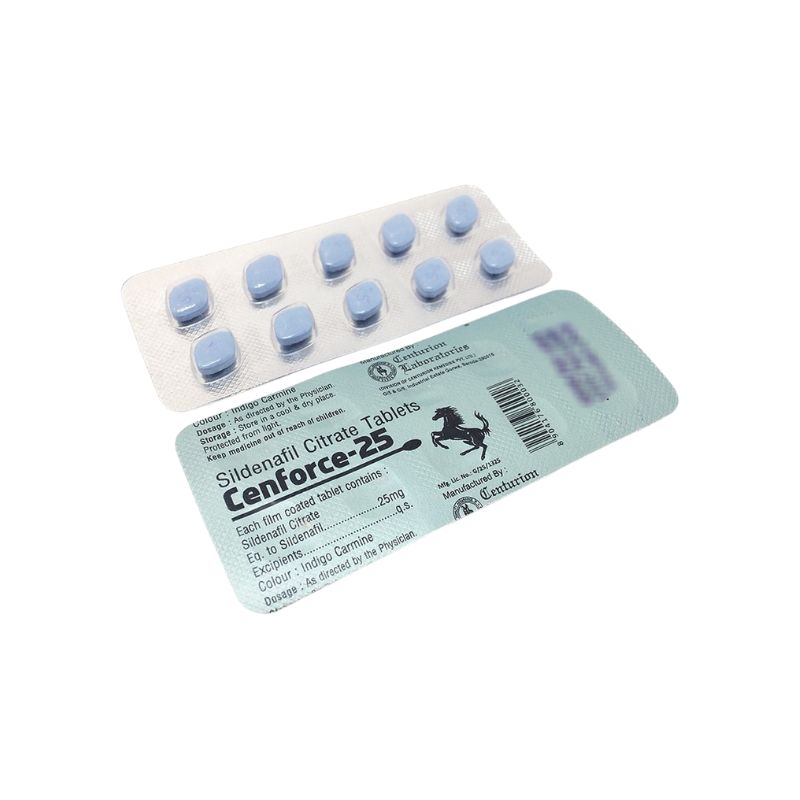
The compounds as supplied by the manufacturer: Sildenafil 100 mg · Tadalafil 20 mg · Sildenafil 25 mg
What we supply
The PDE5 inhibitor preparations above, as supplied by the manufacturer, tracked, from inside the EU.
Research use only. This page summarises published studies for research reference. It is not medical advice, not a protocol, and not a suggestion for human use. Nothing we supply is for human or veterinary use.
References.
- Soulaidopoulos S, et al. Long-term effects of phosphodiesterase-5 inhibitors on cardiovascular outcomes and death: a systematic review and meta-analysis. Eur Heart J Cardiovasc Pharmacother 2024;10(5):403-412.
- Jehle DVK, et al. Benefits of Tadalafil and Sildenafil on Mortality, Cardiovascular Disease, and Dementia. Am J Med 2025;138(3):441-448.
- Seidu S, et al. Erectile dysfunction, phosphodiesterase-5 inhibitor use and risk of cardiovascular disease and mortality in people with diabetes: A systematic review and meta-analysis. Prim Care Diabetes 2022;16(5):601-613.
- Edmonston D, et al. Sildenafil and Kidney Function in Heart Failure with Preserved Ejection Fraction. Kidney360 2023;4(5):631-640.
- Grandin EW, et al. Outcomes With Phosphodiesterase-5 Inhibitor Use After Left Ventricular Assist Device: An STS-INTERMACS Analysis. Circ Heart Fail 2022;15(4):e008613.
- Karedath J, et al. Effect of Phosphodiesterase-5 (PDE-5) Inhibitors on Clinical Outcomes in Patients With Pulmonary Hypertension: A Meta-Analysis of Randomized Control Trials. Cureus 2023;15(1):e33363.
- Storch AS, et al. Effects of phosphodiesterase 5 inhibition on cardiovascular function in resistant hypertension: A systematic review. Life Sci 2022;291:120270.
- Kloner RA, et al. Princeton IV consensus guidelines: PDE5 inhibitors and cardiac health. J Sex Med 2024;21(2):90-116.