Testosterone and the prostate: the long-term registries
Three registry cohorts followed 1,023 hypogonadal men on testosterone, median five years, and found 11 prostate cancers across two urology settings with none reported at the andrology centre — without a control group. A 2017 systematic review found none of 20 prospective studies linking endogenous testosterone to prostate cancer risk, and two meta-analyses of randomised placebo-controlled trials reported no significant increase. Both authors still call for a study with adequate power.
25 October 2026 · 5 min read
 Testosterone Cypionate
The prostate question is the one that decides whether testosterone replacement is defensible in a 60-year-old. Three records on this page address it, and none of them closes it. That is the honest headline.
The three registries: 1,023 men, median five years
The 2015 Journal of Urology paper pooled three parallel, prospective, ongoing cumulative registry studies in which 1,023 hypogonadal men received testosterone therapy. Two cohorts were treated by urologists from 2004; one was treated at an academic andrology centre from 1996. Patients were treated when total testosterone was 12.1 nmol/l or less, that is 350 ng/dl, and symptoms of hypogonadism were present. They received testosterone undecanoate by injection in 12-week intervals, with pre-treatment prostate examination and monitoring during treatment, and biopsies performed according to EAU guidelines.
Maximum follow-up was 17 years, from 1996 to 2013, and median follow-up was 5 years. Mean baseline age was 58 years in the urological settings and 41 years in the andrology setting.
A total of 11 patients were diagnosed with prostate cancer in the two urology settings, at proportions of 2.3% and 1.5% respectively, and the incidence per 10,000 patient-years was 54.4 and 30.7. No prostate cancer was reported by the andrology centre.
Two limits are printed in the paper itself. There is no control group, and the authors call the limitations inherent in the registry design. The mean age difference between the cohorts is also part of why the two urology figures and the andrology figure are not interchangeable — the andrology cohort was 17 years younger at baseline.
The paper’s opening sentence is worth quoting because it frames the whole field: “Although there is no evidence that testosterone therapy increases the risk of prostate cancer, there is a paucity of long-term data.”
The 2017 review, and its three parts
A 2017 Translational Andrology and Urology review searched studies of endogenous total testosterone — continuous, per 1 unit and per 5 nmol/L increment, and categorical high versus low — and of testosterone therapy, against prostate cancer events, over 1990-2016, with emphasis on multivariable estimates.
Part one, endogenous testosterone per 5 nmol/L increment. Thirty-one observational studies: 20 prospective using the 5 nmol/L increment, and 11 prospective and retrospective cohort studies using the 1 unit increment. None of the 20 prospective studies found a significant association between total testosterone and increased or decreased prostate cancer risk. Two of the 11 showed a significant decreased risk per 1 unit increment, but two other studies showed a significant increased risk. The remainder reported null risk values.
Part two, categorical high versus low. Eight of 25 studies reported an increased risk for men with high testosterone compared to low, but only four were statistically significant. On the other side, 17 studies showed a decreased risk of prostate cancer comparing high with low levels, and 11 of those were statistically significant.
Part three, testosterone therapy. Two meta-analyses of randomised placebo-controlled trials, with n=8 and n=11 trials respectively, reported not significant decreased risks of prostate cancer.
The review’s conclusion is that the contention that high levels of testosterone, or the use of testosterone therapy, increase prostate cancer risk does not seem to be supported from the literature — and then the sentence that matters: “Yet, we still need a study with the adequate power, follow-up data, epidemiological, pathological and clinical data that can support the safety and beneficial effects.”
Note the direction of the discrepancy between parts two and three. Eight studies found an increased risk from high endogenous testosterone and seventeen found a decreased risk. That is not a settled literature, and a summary that reports only the increased-risk studies is misrepresenting it.
Why surveillance, not reassurance, is the recommendation
A 2006 review states the mechanism argument and then draws the practical line. Men with classical androgen deficiency have reduced prostate volume and blood PSA levels compared with their age peers. It is plausible, the review says, that androgen deficiency partially protects against prostate disease, and that restoring androgen exposure increases risk to that of eugonadal men of the same age — therefore men using testosterone should have age-appropriate surveillance for prostate disease, comprising rectal examination and blood PSA measurement at regular intervals determined by age and family history.
Two incidence figures from that paper put the surveillance argument in scale. A 14% incidence of occult cancer was found in hypogonadal men who were candidates for testosterone therapy, and 15.2% prostate cancer was found in the placebo group of the Prostate Cancer Prevention Trial, which had normal digital rectal examination and PSA. In other words, the prevalence of occult prostate cancer in men who look normal on examination is high regardless of what anyone is taking.
The same review reports that data from all published prospective studies on circulating total and free testosterone do not support the hypothesis that high circulating androgen levels are associated with increased prostate cancer risk, and that in a large prospective cohort of 10,049 men the long-standing androgen hypothesis can be rejected, with high levels within the reference range associated with decreased aggressive prostate cancer risk.
What the data do not show
They do not show a controlled long-term prostate-cancer outcome. The 1,023-man registry has no control group and the paper says so.
They do not show a randomised comparison. Part three of the 2017 review covers meta-analyses of randomised placebo-controlled trials, and those reported no significant risk — the number of trials is eight and eleven.
They do not show that surveillance can be skipped. The 14% occult-cancer figure and the 15.2% placebo-arm figure are the reason the 2006 review recommends age-appropriate monitoring rather than reassurance.
They do not establish a single direction. On categorical endogenous testosterone, 8 studies reported increased risk and 17 reported decreased risk, with 4 and 11 statistically significant respectively.
Where this sits on the shelf
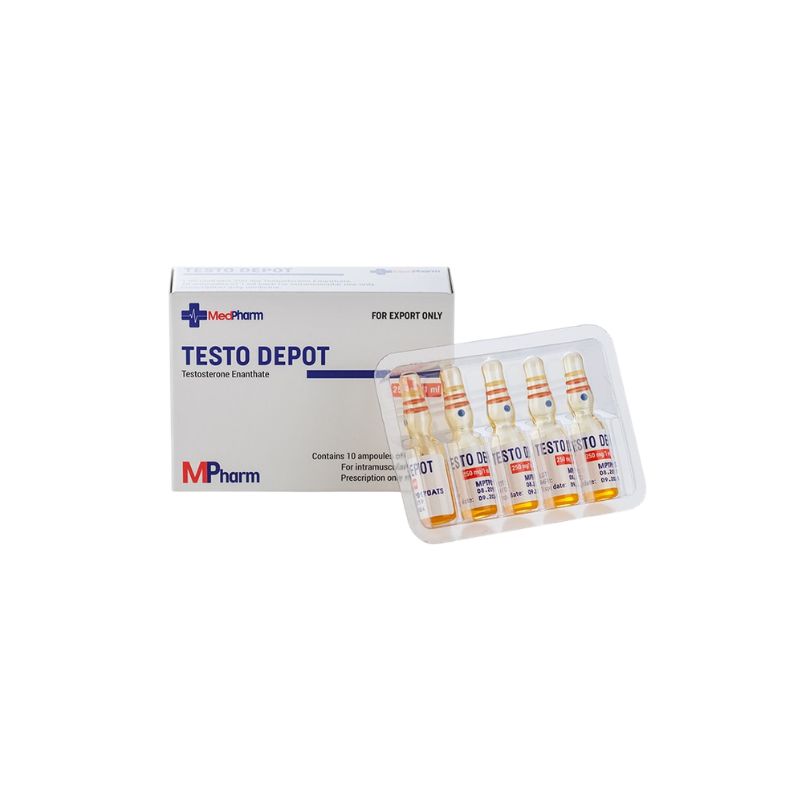
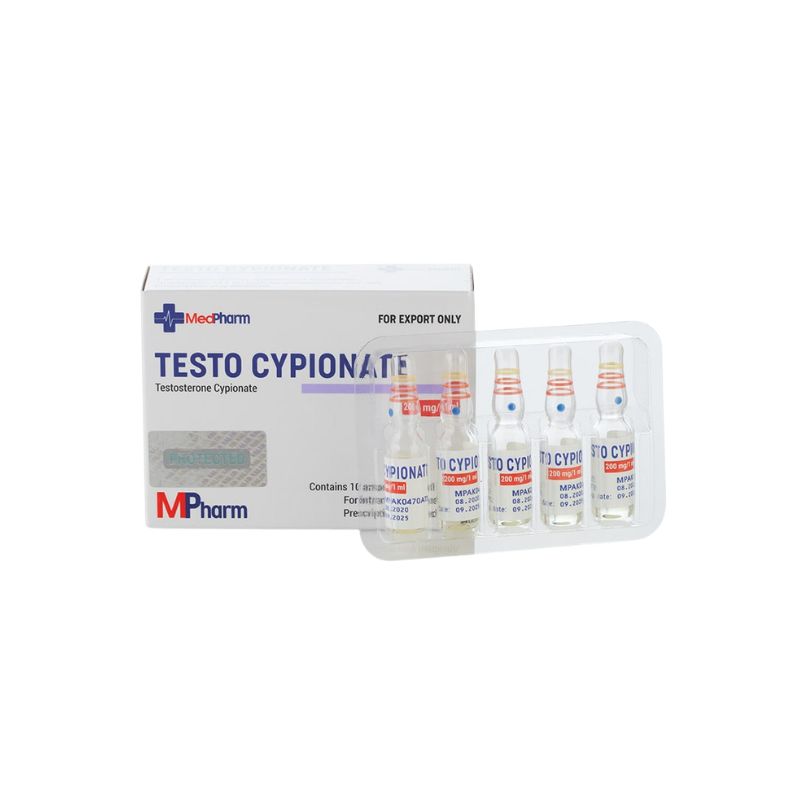
The compounds as supplied by the manufacturer: the testosterone cypionate ampoule presentation · the testosterone enanthate depot presentation
What we supply
The testosterone ester preparations above, as supplied by the manufacturer, tracked, from inside the EU.
Research use only. This page summarises published studies for research reference. It is not medical advice, not a protocol, and not a suggestion for human use. Nothing we supply is for human or veterinary use.
References.
- Haider A, Zitzmann M, Doros G, Isbarn H, Hammerer P, Yassin A. Incidence of prostate cancer in hypogonadal men receiving testosterone therapy: observations from 5-year median followup of 3 registries. J Urol 2015;193(1):80-6.
- Lopez DS, Advani S, Tsilidis KK, Wang R, Canfield S. Endogenous and exogenous testosterone and prostate cancer: decreased-, increased- or null-risk? Transl Androl Urol 2017;6(3):566-579.
- Raynaud JP. Prostate cancer risk in testosterone-treated men. J Steroid Biochem Mol Biol 2006;102(1-5):261-6.