Anabolic agents and wound healing: what was measured
A Cochrane review of this whole topic found one trial of 212 people, and it was stopped early because the interim analysis saw no benefit.
11 October 2026 · 6 min read
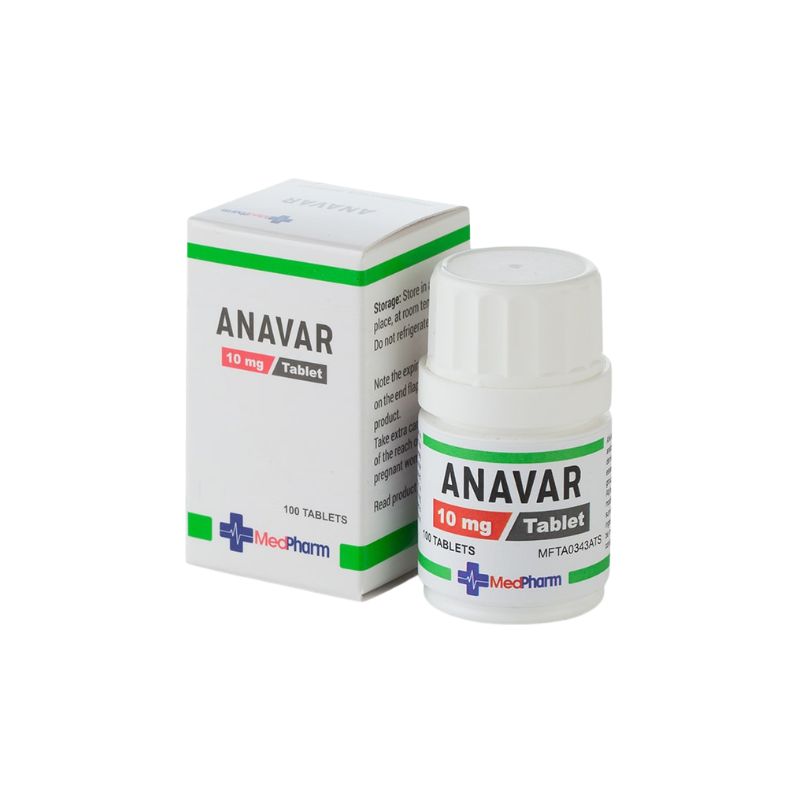 Anavar 10 mg (Oxandrolone – Tablets)
The strongest fact about anabolic agents and wound healing is a negative one, and it comes from the study of studies rather than from any trial. A Cochrane review that searched four trial registries plus CENTRAL, MEDLINE, Embase and CINAHL, in March 2017, with no restriction on language, date or setting, found one trial. That is the entire randomised human record this page has to work with.
The one trial, and why it stopped
That trial randomised 212 participants, all with spinal cord injury and open pressure ulcers classed stage III or IV, to oral oxandrolone 20 mg a day or to a placebo of 98 % starch and 2 % magnesium stearate, for 24 weeks. The groups were almost entirely male, 98.2 % (106 of 108) on oxandrolone with a mean age of 58.4 years and a standard deviation of 10.4, and 100 % (104 of 104) on placebo with a mean age of 57.3 and a standard deviation of 11.6.
Complete ulcer healing came out at a risk ratio of 0.81 (95 % CI 0.52 to 1.26). The reviewers graded that very low certainty, downgrading twice for imprecision because the interval was extremely wide and spanned both benefit and harm.
The trial stopped early. The futility analysis, in the opinion of the study authors, showed oxandrolone had no benefit over placebo for improving ulcer healing.
Non-serious adverse events were more frequent on oxandrolone, risk ratio 3.85 (95 % CI 1.12 to 13.26). Serious adverse events came out at 0.54 (0.25 to 1.17), and of the five serious events in the oxandrolone group none was classed by the trial teams as related to treatment.
The secondary outcomes were not reported at all: pain, length of hospital stay, change in wound size or surface area, infection incidence, cost and quality of life. The reviewers’ conclusion is short. There is no high quality evidence to support the use of anabolic steroids in treating pressure ulcers.
What the brief expected, and what the record contains
The commission for this page anticipated a couple of small studies from the 1960s. That is not what the indexed literature holds, and it is worth being precise about it rather than reconstructing the history from memory.
What the record does contain is a set of trials that measured nitrogen balance rather than healing. One 1989 study randomised 60 patients undergoing colorectal surgery for malignancy to stanozolol, 30 patients, or to a control group of 30, then randomised each group again to one of three postoperative regimens over the first four days: dextrose-saline, amino acids, or a glucose-amino-acid-fat mix. Indirect calorimetry measured fat and carbohydrate oxidation.
The result: nitrogen balance in patients receiving amino acids was significantly improved by stanozolol, p below 0.02, while fat and carbohydrate oxidation rates were not significantly affected. The authors’ conclusion draws the line this page depends on: stanozolol improves nitrogen balance in patients receiving amino acids alone, whereas a more complete regimen produces a positive balance unaffected by stanozolol.
Nitrogen balance is a protein accounting measure, not a wound. It is a real randomised result, it is frequently cited in this space, and it cannot tell you whether anything closed faster.
The largest synthesis, in burns, and its internal problems
The modern evidence base for oxandrolone is in burn patients, and it is much bigger than the pressure-ulcer record. A 2025 systematic review and meta-analysis pooled 14 randomised controlled trials published between 2005 and 2025, 2,822 patients, 1,203 on intervention and 1,619 on control, using a random-effects model and Cochrane risk-of-bias 2.0 per outcome.
Surgical procedures came out at a standardised mean difference of -1.25 (95 % CI -2.45 to -0.04), with heterogeneity of 97.2 %. Length of stay normalised to total body surface area was -1.07 (-2.43 to 0.29), heterogeneity 98.1 %. Weight gain was 0.58 (-1.21 to 2.38) and lean mass 1.30 (-0.47 to 3.24) with heterogeneity of at least 95 %.
Mortality showed no benefit at all: risk ratio 1.04, 95 % CI 0.47 to 2.32, p = 0.913. Infection rates were unchanged.
Two honest observations. First, an intervention with no effect on mortality in 2,822 severely burned patients is being sold on hospital-process endpoints, and those endpoints have heterogeneity above 95 %, which means the trials are measuring genuinely different things. Second, several of the reported p values do not agree with the confidence intervals printed beside them. This page reports the intervals and the heterogeneity and does not lean on the p values.
Note also what is absent: wound healing itself is not among the pooled outcomes, which were lean body mass, side effects, infections, mortality, surgical procedures, length of stay and length of stay normalised to surface area.
The one animal study on this page that went the wrong way
A 1996 rabbit study is included because it is the cleanest demonstration that “anabolic” does not predict healing. After nonpenetrating bilateral surgical keratectomy in male albino rabbits, the left eye received the active product and the right eye served as control, with healing area measured by planimetry after fluorescein staining at 0, 24, 48 and 72 hours.
Nandrolone at 10 mg/ml in eyedrops delayed the healing process, p below 0.005. Asiaticoside also delayed it, p below 0.001. A vitamin A plus amino acid ointment delayed it at the limit of statistical significance, p = 0.055. By contrast a fibronectin hydrolysate significantly improved the quality and shortened the time of healing at 60 mg protein per ml and above, while human fibronectin at 100 to 800 micrograms per ml did not affect healing at all.
A 2022 review of sex hormones and the cornea frames why this is not a curiosity. Of roughly 130 different hormones expressed in the human body, steroid and peptide hormones are abundant in circulation and known to regulate anabolic processes and wound healing in a tissue-dependent manner. The same review notes it is unclear whether endogenous hormones contribute to differential corneal wound healing in common animal models, and argues that systemic hormone levels as a function of age should be treated as an experimental variable in this field.
Tissue-dependent is the operative phrase. It is the same word that stops a bench result becoming a human promise.
The DHEA literature, and the sentence that matters
A 2019 review covers dehydroepiandrosterone, and its framing is the stress-metabolism side of this story. Glucocorticoids are catabolic and immunosuppressive and are produced as part of the stress response to injury, causing an intra-adrenal shift in steroid biosynthesis at the expense of DHEA and its sulphated metabolite. In injured humans, a high cortisol to DHEAS ratio is associated with increased morbidity and mortality.
Human supplementation studies, the review notes, have focused on post-menopausal females, older adults or adrenal insufficiency, and have shown that restoring the ratio improves wound healing, mood, bone remodelling and psychological well-being.
Then the sentence that decides how this page reads that section: currently there are no DHEA or DHEAS supplementation studies in trauma patients. The positive human findings are in other populations, and the trauma population has none.
Where this sits on the shelf
The agent in the one human trial is oxandrolone, which is on this shelf as Anavar 10 mg. For the label and warnings rather than the healing literature, see the oxandrolone page.
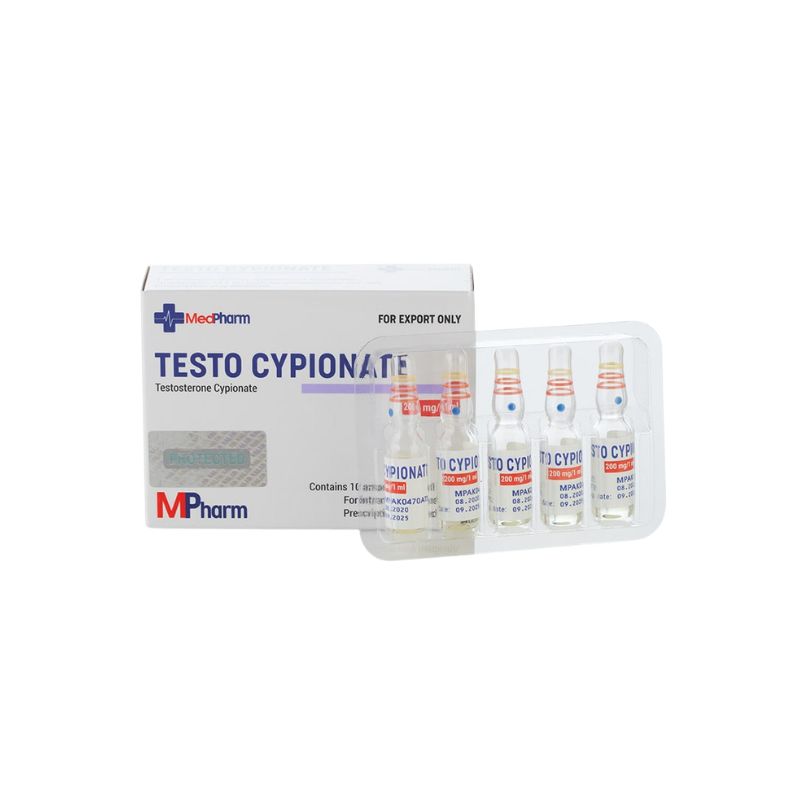
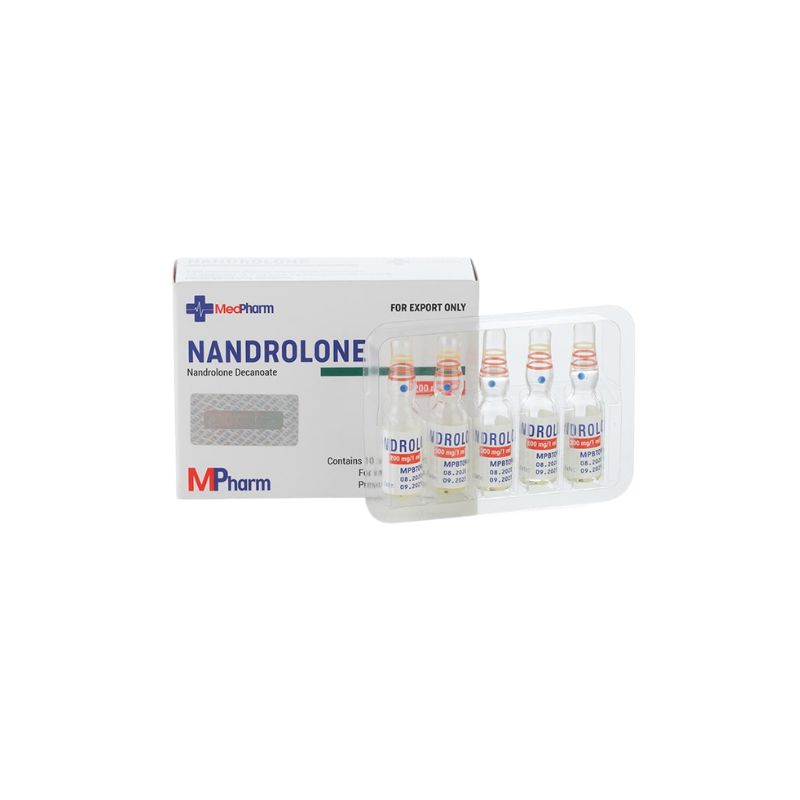
A limit belongs here rather than in a footnote. Every human outcome figure on this page comes from an oxandrolone trial. No abstract in this record measures wound healing with testosterone cypionate or nandrolone decanoate in people. Their presence on this shelf next to these findings is a catalogue fact, not an evidence claim. Where nandrolone appears in this article at all, it appears as the compound that delayed corneal healing in rabbits.
What the data do not show
They do not show that any anabolic agent heals wounds faster in humans, because the Cochrane review of the whole question found one trial and it was stopped for futility with a confidence interval spanning benefit and harm. They do not show a wound-healing effect for testosterone or nandrolone in people, because no such trial is indexed here. They do not show an effect of oxandrolone on mortality, because the burn meta-analysis prints a risk ratio of 1.04. They do not show that nitrogen balance translates into healing, because the 1989 trial measured balance and not wounds, and its own authors conclude that a better-fed patient has the same balance with or without the drug. And they do not show a direction at all, because the one controlled animal experiment on this page found nandrolone delayed corneal healing.
What we supply
The three products named above, as supplied by the manufacturer, tracked, from inside the EU.
Research use only. This page summarises published studies for research reference. It is not medical advice, not a protocol, and not a suggestion for human use. Nothing we supply is for human or veterinary use.
References.
- Naing C, Whittaker MA, et al. Anabolic steroids for treating pressure ulcers. Cochrane Database Syst Rev 2017;6(6):CD011375.
- Lou J, Xiang Z, Zhu X, et al. Oxandrolone for burn patients: a systematic review and updated meta-analysis of randomized controlled trials from 2005 to 2025. World J Emerg Surg 2025;20(1):75.
- Hansell DT, Davies JW, Shenkin A, et al. The effects of an anabolic steroid and peripherally administered intravenous nutrition in the early postoperative period. JPEN J Parenter Enteral Nutr 1989;13(4):349-358.
- Bentley C, Hazeldine J, Greig C, et al. Dehydroepiandrosterone: a potential therapeutic agent in the treatment and rehabilitation of the traumatically injured patient. Burns Trauma 2019;7:26.
- Callizo J, Cervello I, Mayayo E, et al. Corneal wound healing in the rabbit eye: activity of a fibronectin-splitting product. Cornea 1996;15(3):263-270.
- McKay TB, Priyadarsini S, Karamichos D. Sex Hormones, Growth Hormone, and the Cornea. Cells 2022;11(2):224.