PDE5 inhibitors and exercise: what the trials measured
Sildenafil reliably lowers pulmonary artery pressure in hypoxia and reliably does not improve performance: 14 trials, 210 subjects.
10 October 2026 · 10 min read
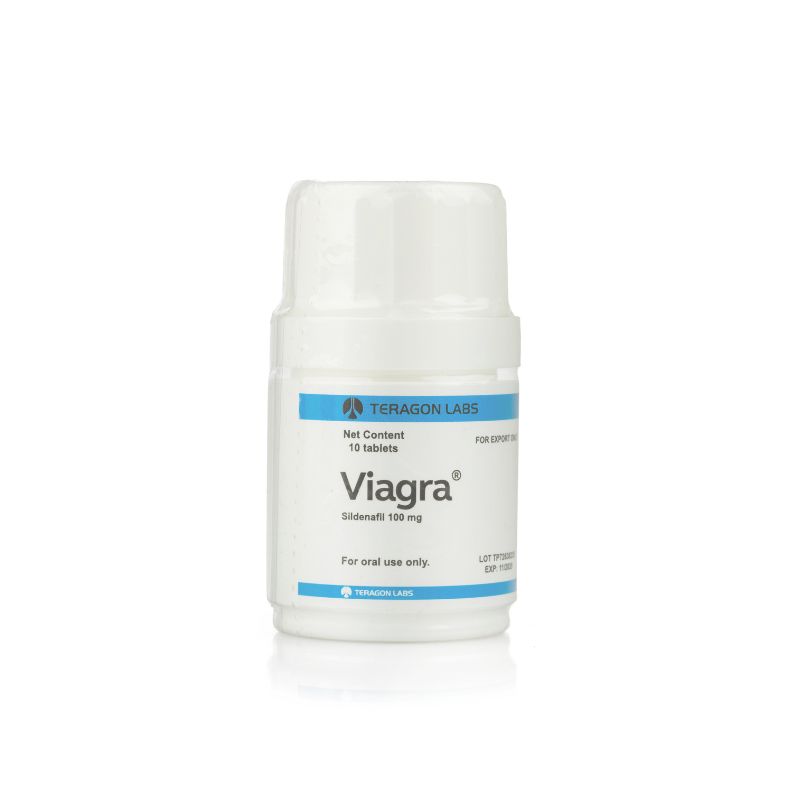
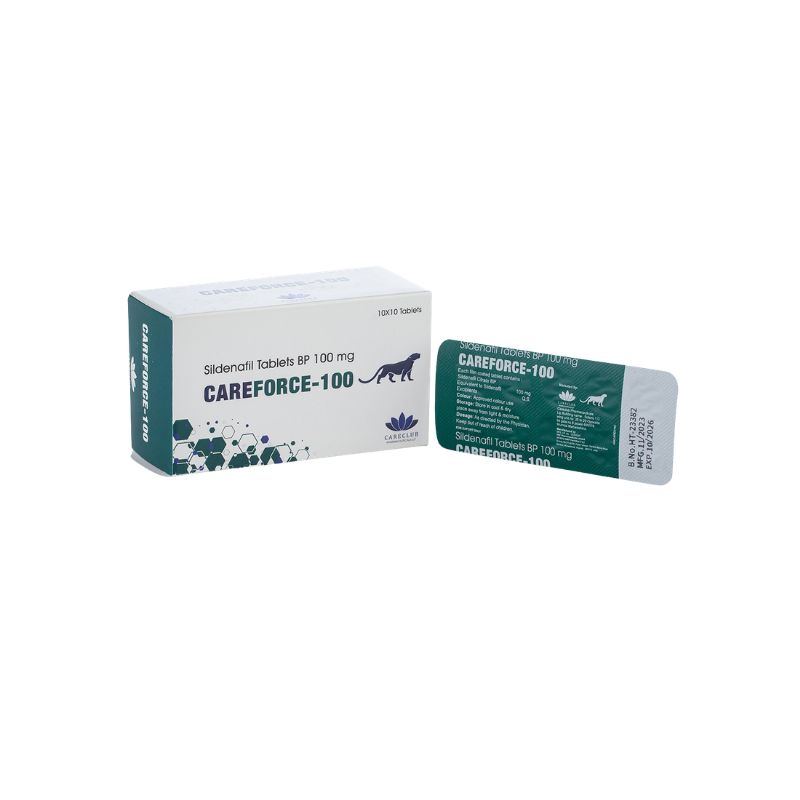 Careforce-100 (Sildenafil 100 mg)
The pharmacology works. That is the finding. Sildenafil lowers pulmonary artery pressure during exercise in hypoxia reliably enough to be measurable across fourteen trials, and that pressure reduction has not turned into a performance gain in any of them. The disconnect is the whole story, and it is why this page exists.
What the systematic review actually pooled
The 2019 systematic review in BMJ Open Sport Exercise Medicine searched for randomised trials of sildenafil against placebo in hypoxia and included 14 studies with 210 subjects who received sildenafil at 40, 50 or 100 mg a day. The effect sizes separate cleanly by endpoint.
Pulmonary artery pressure: a large effect on decreasing it, both during exercise and at rest. Cardiac output: a small effect on increasing it during exercise, moderate at rest. Pulse oxygen saturation: a moderate effect. Performance: a small effect. The authors’ conclusion states the summary directly, that sildenafil reduces pulmonary artery pressure, has a moderate to small effect on cardiac output and oxygen saturation, and no effect on performance.
Two subgroup results explain why the performance effect never appears. Between 100 mg and 50 mg there was no statistically significant difference in oxygen saturation, so there is no amount gradient to exploit. And the effect differed by how hypoxia was produced: moderate on both oxygen saturation and performance at terrestrial hypobaric altitude, only small on both in normobaric hypoxia. Regression analysis then found that hypoxic dose (PO₂) and metabolic rate do not account for a significant portion of the variance in effect size for any of the four outcomes.
That last point matters. If a model cannot explain the spread between trials, the spread is not an amount story, and the usual reading, that people are getting the wrong amount, is not supported by this synthesis.
The individual trials, and their sizes
The primary studies behind the synthesis are small, and the brief asked for the n figures, so here they are without rounding.
Twelve endurance-trained men completed three cycling trials at sea level and at a simulated 3,000 m, with inspired oxygen fraction 0.147, on placebo or 50 mg of sildenafil in a double-blind design. Each session was a warm-up, a 15-minute steady state at 60 % of peak power output, then a 16.1 km time-trial. Every subject declined in maximal capacity in hypoxia, by between 6 % and 24 %, and that decline correlated with the fall in oxygen saturation. Sildenafil had no effect on pulmonary artery pressure, cardiac output or oxygen saturation during steady state, and no effect on mean power output during the time-trial.
Eleven volunteers took part in a double-blind crossover at 4,000 m hypobaric hypoxia and in normoxia, at rest and during maximal and 60 % VO2-max exercise, an hour after 100 mg of sildenafil or placebo. In normoxia it did not affect performance; in hypoxia there were no significant differences in any cardiovascular or respiratory parameter.
Twenty-seven healthy male wheelchair athletes with motor-complete spinal cord injury took part in a prospective double-blind randomised placebo-controlled study, arm-cranking to exhaustion at sea level and at 2,200 m, after 50 mg of sildenafil or placebo. This is the only trial on the page where the numbers went the wrong way: peak power output at sea level was significantly higher under placebo, P = .004, median 120 W with a range of 35 to 170, against 115 W with a range of 40 to 165 on sildenafil. Oxygen saturation under sildenafil was higher at sea level, 98 %, than at 2,200 m, 94 %, P = .006. Every other parameter showed no impact. The authors conclude there was no positive effect on peak arm-cranking capacity compared with placebo at either altitude.
Twenty-seven, twelve and eleven. The systematic review’s 210 subjects is the whole human base, and the individual arms behind it are of this order.
Where exercise capacity did improve, and who was in it
The one substantive positive result comes from a disease population with a defined haemodynamic lesion, not from athletes. The IPFnet network randomised 180 patients with advanced idiopathic pulmonary fibrosis, defined by carbon monoxide diffusing capacity below 35 % predicted, and 119 of them had echocardiograms independently reviewed.
Right ventricular hypertrophy was present in 12.8 % and right ventricular systolic dysfunction in 18.6 %. Pulmonary artery pressure was measurable in 71 of 119, at a mean of 42.5 mm Hg. In the subgroup with systolic dysfunction, sildenafil produced less decrement in six-minute walk distance, 99.3 m, P = .01, and greater improvement in the St George’s Respiratory Questionnaire, 13.4 points, P = .005, and in EuroQol visual analogue scores, 17.9 points, P = .04. In the subgroup with hypertrophy alone there was no association with walk distance, P = .13, but a greater relative SGRQ improvement of 14.8 points, P = .02. No association with SF-36 in either subgroup.
This is a subgroup analysis inside a trial, in patients with advanced lung disease, measured against a placebo comparator over twelve weeks. It is the mechanism showing up where there is a pressure to relieve. It says nothing about a healthy person at sea level, and no trial on this page tested that.
Why the two altitudes give different answers
The narrative review on sildenafil and altitude performance lays out the mechanism: falling barometric and oxygen pressure raise pulmonary vascular resistance and alter nitric oxide diffusion, and the rise in pulmonary artery pressure is what degrades performance at altitude.
Its conclusion on the trial evidence is the part worth quoting: the investigations demonstrate different results depending on the altitude level and the times and intensities of exercise, some studies show performance improvements but not in all participants, and individual responses vary widely between different athletes. The review also notes that the use at altitude is an indication that is not the basic one of the drug.
Individual variation that wide is worth sitting with. It means a positive trial at altitude does not predict an individual response, and the 27-participant spinal cord injury study, where placebo beat sildenafil on peak power at sea level, is exactly the kind of result that wide variation predicts.
The product on the shelf, and what has actually been tested
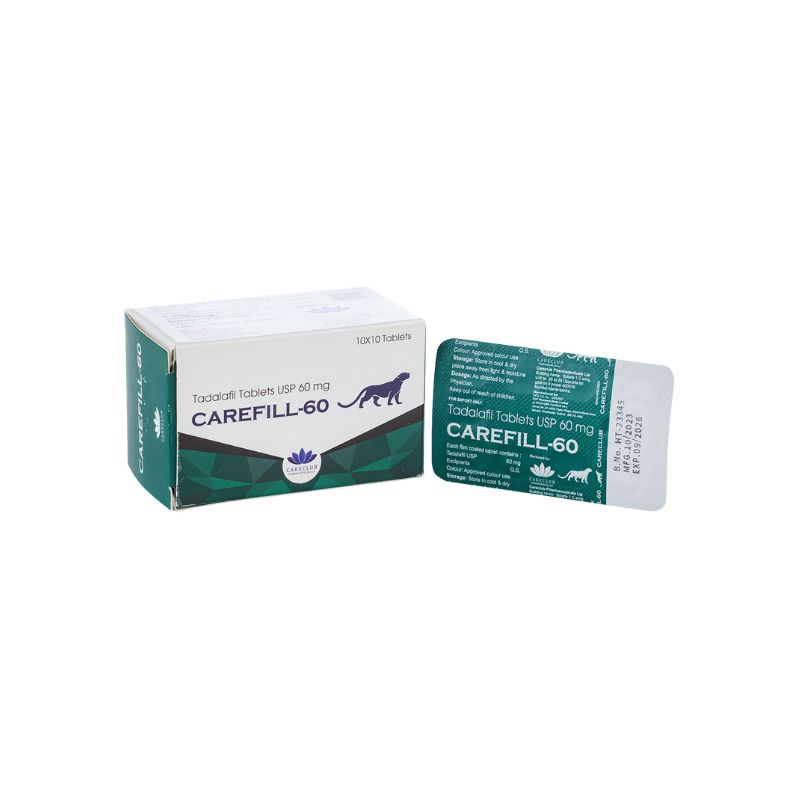
The catalogue sells this class for a different purpose than the one in this article, and the page has to say so rather than let the proximity imply an equivalence. The sildenafil 100 mg, sildenafil 100 mg second line and tadalafil 60 mg on this shelf are the erectile-dysfunction presentations, and every exercise trial in this article is about a haemodynamic mechanism in hypoxia or in pulmonary disease.
One limitation belongs in the product link rather than in a footnote. Every trial on this page tested sildenafil. There is no abstract here measuring tadalafil or vardenafil against exercise capacity, so their presence next to these findings is a catalogue fact and not an evidence claim. The class is what the synthesis covers; the individual compound is what the trials used.
The companion page
The 04.10 wave carries sildenafil against tadalafil, which answers a different question, how the two drugs behave pharmacologically against each other. That page is not reachable at this address yet and resolves when the 04.10 wave is deployed. Neither page measures a treadmill; together they cover what these compounds do to people and what they do not do to a VO2 max.
What the data do not show
They do not show a performance benefit in healthy untrained adults at sea level, because no such trial appears here. They do not show an amount-response relationship, because 100 mg and 50 mg did not differ on oxygen saturation and the regression could not explain the variance. They do not show an effect for tadalafil or vardenafil, because no cited abstract tested either against exercise. They do not show that the pulmonary-fibrosis subgroup result generalises beyond patients with right ventricular dysfunction and advanced lung disease. And they do not show a reliable individual response, because the review of the altitude trials records that individual responses vary widely and not all participants improved.
What we supply
The three products named above, as supplied by the manufacturer, tracked, from inside the EU.
Research use only. This page summarises published studies for research reference. It is not medical advice, not a protocol, and not a suggestion for human use. Nothing we supply is for human or veterinary use.
References.
- Carter EA, Lohse K, Sheel W, Koehle M. Sildenafil does not reliably improve exercise performance in hypoxia: a systematic review. BMJ Open Sport Exerc Med 2019;5(1):e000526.
- Carter EA, Sheel AW, Milsom WK, Koehle MS. Sildenafil does not improve performance in 16.1 km cycle exercise time-trial in acute hypoxia. PLoS One 2019;14(1):e0210841.
- Toro-Salinas AH, Fort N, Torrella JR, Pages T, et al. Sildenafil does not Improve Exercise Capacity under Acute Hypoxia Exposure. Int J Sports Med 2016;37(10):785-791.
- Perret C, Van Biesen D, Strupler M, Pit-Grosheide P, et al. Effect of Sildenafil Citrate on Exercise Capacity in Athletes With Spinal Cord Injury. Int J Sports Physiol Perform 2020;15(7):971-975.
- Han MK, Bach DS, Hagan PG, Yow E, et al. Sildenafil preserves exercise capacity in patients with idiopathic pulmonary fibrosis and right-sided ventricular dysfunction. Chest 2013;143(6):1699-1708.
- Peidro RM. Sildenafil and exercise performance at altitude. Medicina (B Aires) 2015;75(4):258-261.