Sildenafil vs tadalafil: the pharmacokinetics that decide it
No trial has compared the two head to head. Tadalafil's dossier prints a 17.5-hour half-life; sildenafil's prints a 45 percent fall in peak level.
4 October 2026 · 7 min read
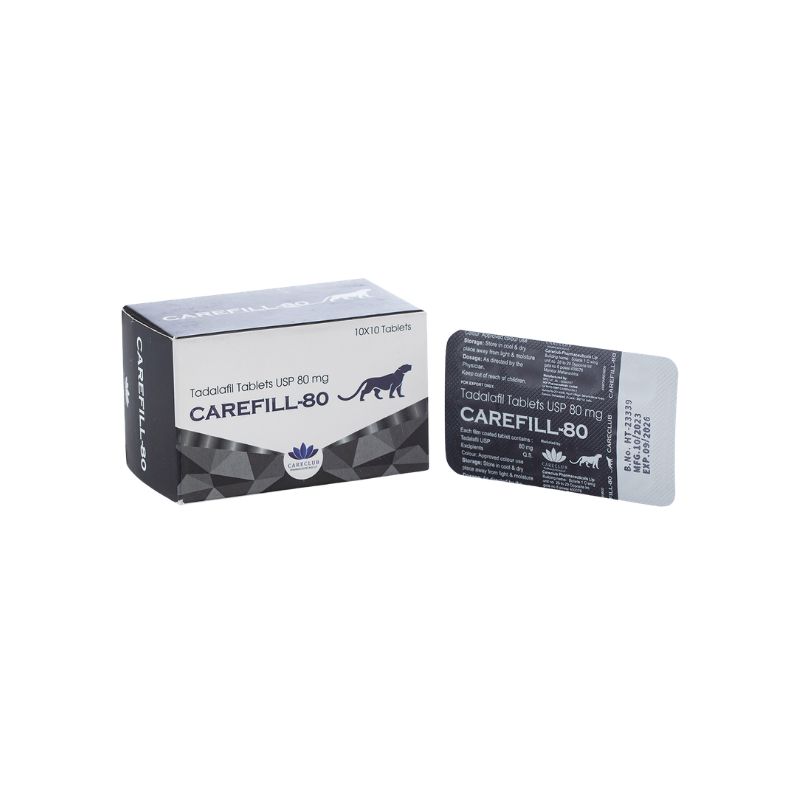 Carefill-80 (Tadalafil 80 mg)
Ask which of these two is better and the literature hands back two separate dossiers that never touch. The honest comparison is not a ranking. It is a side-by-side of what each molecule’s own pharmacokinetic dataset measured, where those datasets end, and which parts of the everyday question have no trial behind them at all.
Tadalafil’s numbers, from tadalafil’s own studies
The healthy-volunteer dataset is the cleanest of the lot. Thirteen clinical pharmacology studies, single 2.5 to 20 mg amounts, non-compartmental parameters, then an integrated statistical analysis across 237 subjects for the covariates that matter.
The headline is the half-life: a mean of 17.5 hours, with the 5th and 95th percentiles at 11.5 and 29.6 hours. That is the single number that separates the two molecules. Peak concentration for the 20 mg amount averaged 378 micrograms per litre at two hours, after which concentrations declined nearly monoexponentially. Clearance averaged 2.48 litres an hour against an apparent volume of distribution of 62.6 litres, and the authors draw the conclusion themselves: systemic clearance is low relative to the other phosphodiesterase 5 inhibitors.
Two more lines from the same paper matter more than they look. Food had negligible effects on bioavailability, judged on 90% confidence intervals for peak concentration and area under the curve, and exposure was not substantially affected by time of day. Levels were proportional to the amount given, steady state arrived by day five, and accumulation was 1.6-fold.
Then the same question was asked in the people who would actually be prescribed it: a population model in 227 patients with mild to severe erectile dysfunction from a phase III trial, on 2, 5 or 10 mg or placebo as needed over 12 weeks. Absorption was rapid, clearance 1.6 litres an hour, volume 63.8 litres, interindividual variability 39 to 45%. Systemic exposure was not influenced by age, weight, smoking, alcohol, liver enzyme status, severity, cardiovascular condition or diabetes. The only significant covariate was gamma-glutamyl transferase, and it moved clearance slightly. The conclusion to carry is the authors’: pharmacokinetics in the trial population are essentially similar to those in healthy subjects, and no patient-specific factor warranting clinical consideration was identified.
Sildenafil’s numbers, and the meal that matters
Sildenafil’s pharmacokinetic work in the recent literature concentrates on a question the tadalafil papers never had to ask: what a meal does. Two randomised crossover studies in healthy male volunteers, single occasion each, three periods apiece, 45 subjects in the first and 35 in the second, comparing a 100 mg orodispersible film against the film-coated tablet and testing a high-fat, high-calorie meal. Blood was sampled within 24 hours.
The result: food delayed peak concentration by 1.45 hours and cut it by 45%, while leaving the extent of systemic exposure, the area under the curve, untouched. Same story for the film against the tablet under fed conditions, where peak concentration ran 13% and 17% lower without and with water. Both area-under-the-curve measures met bioequivalence limits.
This is a genuinely useful finding and it is also narrower than it sounds. These were healthy subjects, single occasions, and a pharmacokinetic endpoint: although bioequivalence of pharmacokinetics implies therapeutic equivalence, studies incorporating clinical endpoints would offer more conclusive evidence, the authors say.
Speed, measured inside a window that closes at 30 minutes
The one study here that put a stopwatch on the question measured tadalafil only.
A multicentre, randomised, double-blind, placebo-controlled, at-home study in men over 21 with at least three months of the condition. Four single occasions each of placebo, tadalafil 10 mg or 20 mg, taken at home every eight to ten days, with couples timing the earliest moment within 30 minutes at which an erection was adequate for penetration.
Tadalafil 20 mg separated from placebo from 30 minutes down to 16 minutes, P = 0.012. The 10 mg arm approached significance at the 30-minute mark, P = 0.054. Under a survival-analysis treatment of the same data the window ran from 30 down to 15 minutes for 20 mg, P = 0.020, and from 30 down to 26 minutes for 10 mg, P = 0.042. Fifty-two percent of men on tadalafil 20 mg had at least one successful intercourse attempt inside 30 minutes, against 35.1% on placebo, P = 0.038.
Now read what that design can and cannot say. The instrument was a 30-minute window, so anything slower was outside the experiment by construction, and there was no sildenafil arm. This is not evidence that tadalafil beats sildenafil on speed.
The outcome both share
Efficacy for sildenafil has the largest synthesis available: 27 randomised trials, 6659 men, in a 2002 systematic review.
Pooled from 14 parallel-group flexible as-needed trials, men on sildenafil were more likely to achieve successful intercourse, 57% against 21%, a weighted mean difference of 33.7 with a confidence interval of 29.2 to 38.2 across 2283 men. At least one successful attempt during treatment went 83% against 45%, a relative benefit increase of 1.8, confidence interval 1.7 to 1.9. From six trials at a fixed amount, efficacy appeared slightly greater at higher strengths. Treatment response varied between subgroups, but sildenafil significantly improved erectile function in all evaluated subgroups.
The adverse events are printed as plainly as the benefits: flushing 12%, headache 11%, dyspepsia 5%, visual disturbances 3%, all significantly less likely on placebo. Sildenafil was not significantly associated with serious cardiovascular events or death.
The safety constraint that governs this class comes from a cardiovascular review of sildenafil. It causes a mild decrease in systemic arterial pressure, roughly minus 8 over minus 5.5 mm Hg. With organic nitrates it produces a synergistic and often major fall, which is why the paper states flatly that sildenafil is contraindicated in patients taking organic nitrates. The trial review across men with the condition, with ischemic heart disease plus the condition, and with hypertension plus the condition found sildenafil effective and not associated with an increase in serious cardiovascular adverse events, myocardial infarction or death against placebo.
One more paper in the set is not evidence at all, it is an argument: a 2007 review in the International Journal of Impotence Research makes the case that differences in how long a PDE5 inhibitor’s effect lasts can be used therapeutically. It reports no patients, no endpoint and no numbers. It is the shape of the argument this page makes on its own, which is why it belongs at the end.
Where this sits next to the catalogue
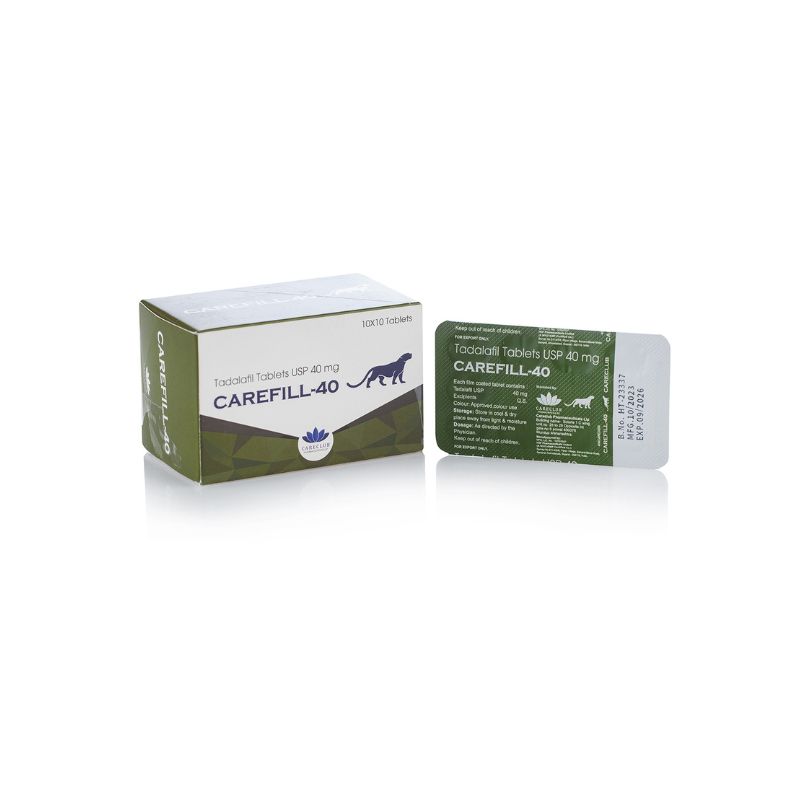
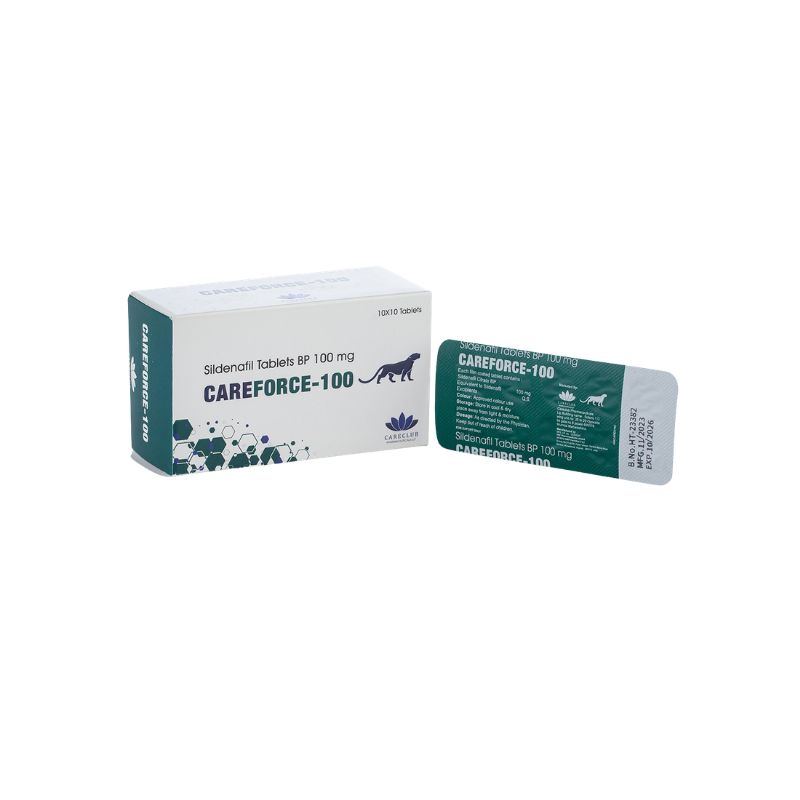
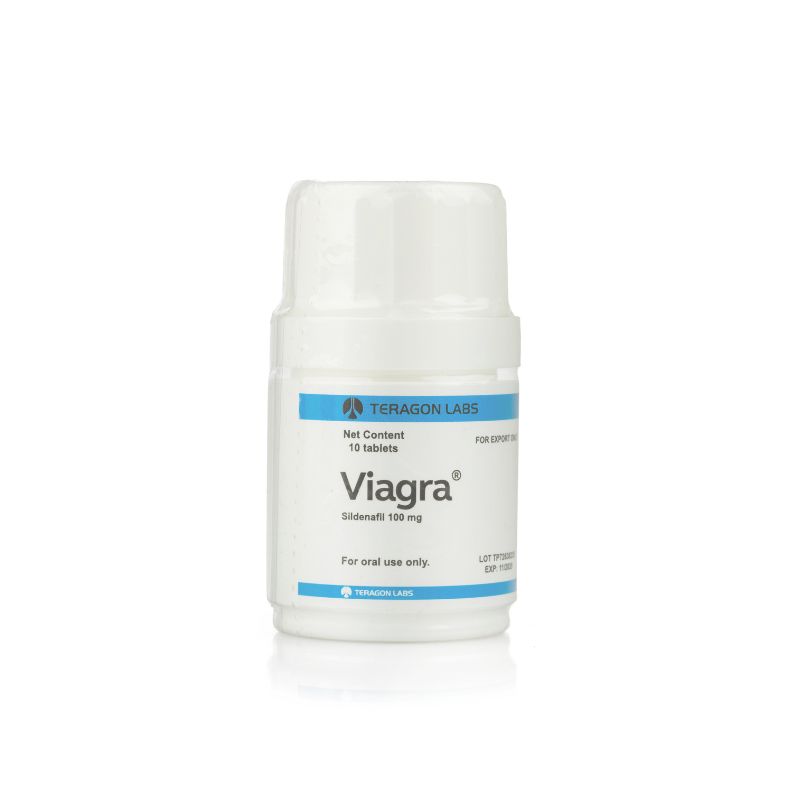
Tadalafil and sildenafil are the two largest families we carry, from Carefill-80 and the 40 and 60 mg strengths through to the Careforce sildenafil range and Viagra 100 mg. Clomiphene’s approval story is the other male-health document on this desk, and kissing the HPG axis covers the other reproductive-axis shelf. The once-daily tadalafil approval data for urinary symptoms belong to their own separate page.
What the data do not show
No study in this set compares sildenafil against tadalafil on the same endpoint. The onset study measured tadalafil only, inside a window that shut at 30 minutes. The food-effect study measured a 100 mg orodispersible film against a tablet, in healthy volunteers, on a single occasion, on a pharmacokinetic endpoint, and its authors say clinical endpoints would be needed to call the formulations interchangeable in effect.
The 17.5-hour half-life and the 1.45-hour meal delay are real, measured numbers in different studies with different designs. They do not add up to a statement about which drug works better for a given person, and nothing on this page is an instruction sheet. The cardiovascular and nitrate material is sildenafil data; this set contains no equivalent tadalafil cardiovascular endpoint analysis, so it should not be read across. Higher strengths appear in the catalogue and were not tested in the studies quoted here.
A pharmacokinetic profile tells you how long a molecule is present. It does not tell you what any individual will experience, and it was never measured as if it would.
What we supply
The tadalafil, sildenafil and vardenafil preparations above, as supplied by the manufacturer, tracked, from inside the EU. Batch documentation for every product that carries any is explained in the COA guide linked from the product page.
Research use only. This page summarises published trials and regulatory evidence for research reference. It is not medical advice, not a protocol, and not a suggestion for human use. Nothing we supply is for human or veterinary use.
References.
- Forgue D, Patterson C, Bedding M, et al. Tadalafil pharmacokinetics in healthy subjects. Br J Clin Pharmacol 2006;61(3) (PMID 16487221).
- Trocóniz A, Tillmann HE, Staab D, et al. Tadalafil population pharmacokinetics in patients with erectile dysfunction. Eur J Clin Pharmacol 2007;63(6) (PMID 17431603).
- Rosen RC, Padma-Nathan H, Shabsigh R, et al. Determining the earliest time within 30 minutes to erectogenic effect after tadalafil 10 and 20 mg: a multicenter, randomized, double-blind, placebo-controlled, at-home study. J Sex Med 2004;1(2) (PMID 16422974).
- Pham A, Yannas D, Sansone M, et al. Food effect on pharmacokinetic profiles of sildenafil 100 mg oral films in healthy male volunteers: results from two randomized, single dose, crossover studies. Sex Med 2025;13(5) (PMID 41287751).
- Fink P, Mac Donald R, Rutks I, et al. Sildenafil for male erectile dysfunction: a systematic review and meta-analysis. Arch Intern Med 2002;162(12):1349-1359 (PMID 12076233).
- Kloner RA. Cardiovascular risk and sildenafil. Am J Cardiol 2000;86(2A):57F-61F (PMID 10899281).
- Dunn SR, Althof SM, Perelman M. Phosphodiesterase type 5 inhibitors' extended duration of response as a variable in the treatment of erectile dysfunction. Int J Impot Res 2007;19(2) (PMID 16738695). Opinion piece, no trial data.