Stanozolol tablets and the depot injection: what the two files contain
The oral tablet and the depot injection of stanozolol produce different analytical signatures and the same class concern. A 2009 study of Indian athletes explains most of what is claimed about detection, and a 2002 cattle study explains the hepatic question both products inherit.
7 November 2026 · 4 min read
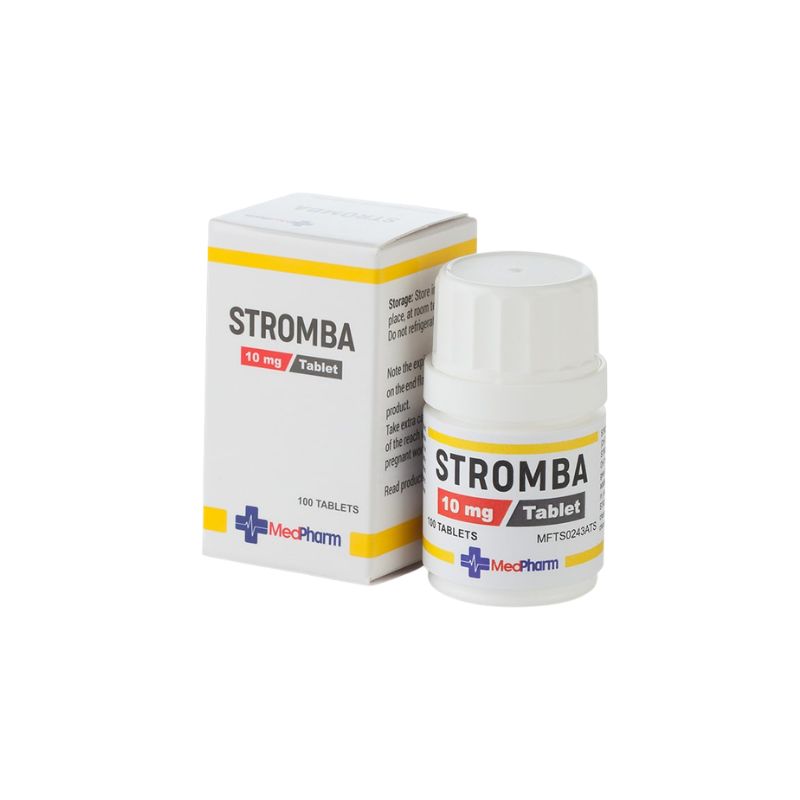 Stromba 10 mg (Stanozolol – Tablets)
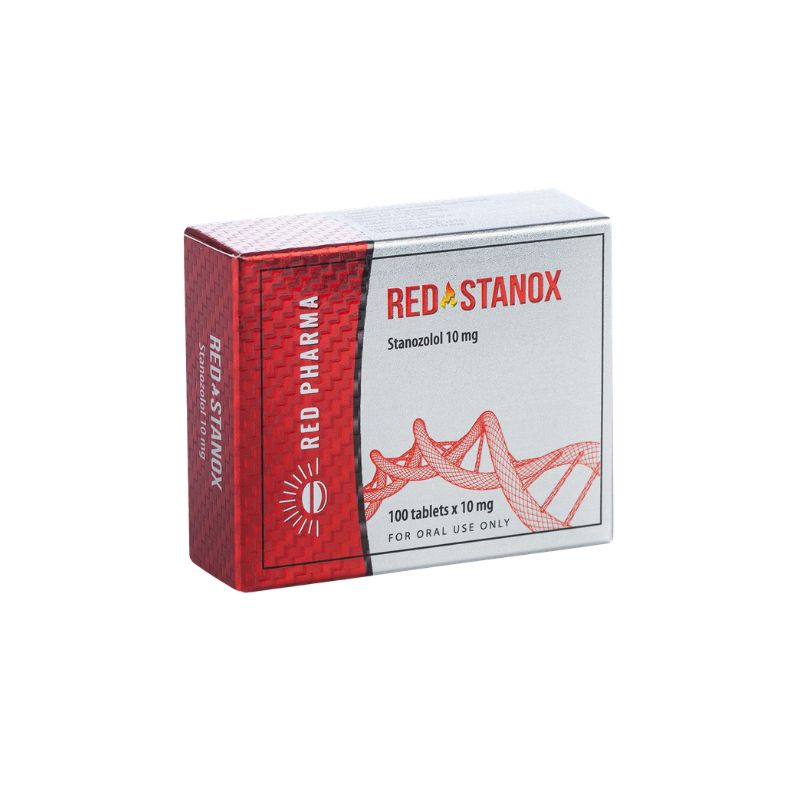
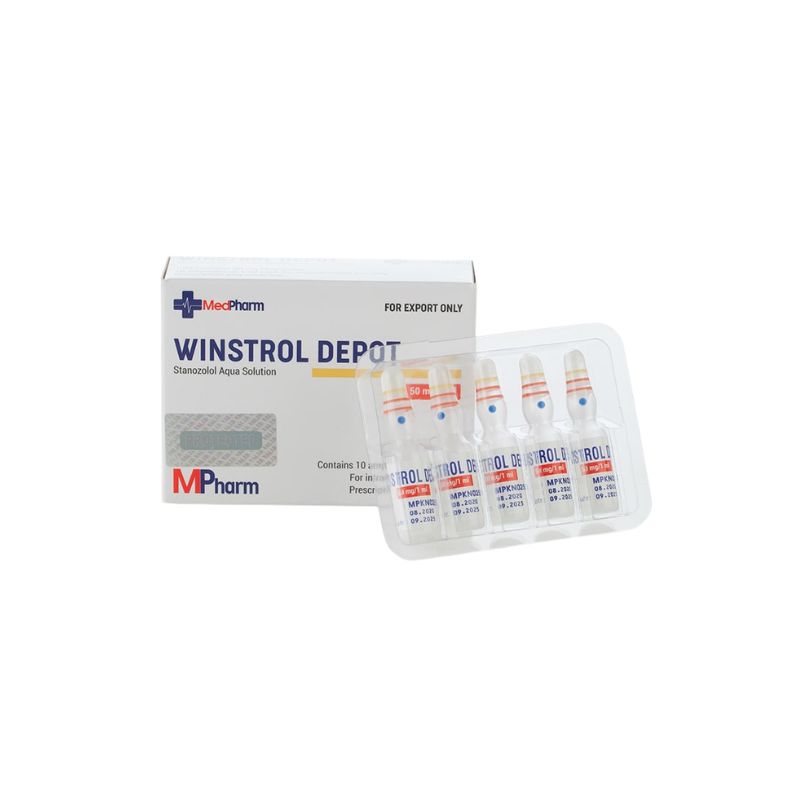
This catalogue carries stanozolol in three forms: an oral tablet in two pack sizes — Stromba 10 mg and RED STANOX — and a depot injection, Winstrol Depot. The oral and injectable versions of the same 17α-methyl steroid raise the same two questions in the literature: what does it do to the liver, and why does it show up in urine the way it does. Both questions have unusually clear answers, and neither answer is a benefit.
The hepatic question, and where it was actually measured
The 2002 veterinary pathology study is the most concrete liver evidence available for this compound, and it is worth reading for how carefully it was framed. Adult beef cattle found positive for stanozolol in urine were investigated: in all of the animals, toxic hepatitis was found — cholestasis, periportal fibrosis and inflammation, focal necrosis and blood-filled lacunae.
The authors then spent most of the abstract being careful. No clinical data were available apart from the history of illegal use; the animals had probably been treated with a cocktail, and more anabolic steroids may have been involved; management factors, viral and bacterial infections, former caesarean sections and feeding regime might all contribute. Their conclusion is properly hedged — and then they make the observation that carries the class into the human file: “striking similarities with data from hepatotoxicity found in human body builders using similar agents, however, suggest a major role of stanozolol as causative agent.”
Two things follow, stated carefully. First, the hepatic pattern of stanozolol exposure is not hypothetical — it was found in every animal examined. Second, the human evidence about it is a similarity observed between veterinary findings and reports in body builders, not a measurement made in a controlled human study.
The detection question, explained properly
The 2009 study from India’s national doping laboratory is the paper most people should read before repeating a claim about stanozolol detection, because it shows how much of that claim is about instruments rather than about the drug.
Stanozolol analysis is hard: the compound is extensively metabolised and the parent does not read well on routine methods. The authors developed and validated a method for the three main monohydroxylated metabolites, and studied the excretion profile in four healthy male volunteers after a single oral administration. Their finding: 3’-OH-stanozolol was excreted at the highest concentration, followed by 16β-OH stanozolol, with 4β-OH stanozolol as the least excreted.
Then the part that matters for interpretation. Ninety-eight older samples with adverse analytical findings for 3’-OH-stanozolol were re-analysed with the new method: 3’-OH- and 16β-OH-stanozolol were present in all 98 samples, and 4β-OH-stanozolol in 90. The percentage of positive identifications of stanozolol in Indian sportspersons rose from 31.9 % in 2004 to 81.8 % in 2009 — and the authors’ conclusion is explicit: that increase “may be due to the more effective detection of stanozolol metabolites”.
A rising detection rate is a fact about laboratories, not about behaviour. This is the clearest example in this catalogue of why an analytical number should never be read as an epidemiological one.
The 2004 screening paper supplies the method context: nine 17-alkyl-substituted steroids or their unconjugated metabolites measured simultaneously in human urine by LC-ESI-MS/MS, including stanozolol and its 3’-hydroxylated metabolite, with detection limits of 0.1–2.0 ng/ml.
Why the route changes the chemistry and not the class concern
Oral stanozolol is a 17α-alkylated steroid; 17α-methyl substitution is associated in this literature with hepatic metabolism and the epimerisation work of 1992, which showed that the extent of 17-epimerisation varies considerably between 17α-methyl steroids depending on the A-ring structure. The depot injection changes administration, exposure profile and metabolite pattern.
Neither route changes the two findings at the top of this page. The hepatic pattern documented in animals, and its similarity to reports in human body builders, are properties of the compound; and the detection window is a property of its metabolites and of the instrument that looks for them.
What the data do not show
- No efficacy trial of oral or depot stanozolol in people is cited here. Nothing in this file measured lean mass, strength or any clinical outcome.
- The hepatic evidence is veterinary, with the human link argued by resemblance. No human liver study is cited.
- A rise in positive test results is a rise in detection capability, as the authors of the 2009 study state themselves.
- An injectable presentation does not make the compound safer. Nothing in these sources compares the routes on hepatic risk.
- Nothing on this page is a recommendation. These are research materials sold as research materials; no statement here is dosing advice or a health claim.
For the hepatic question the class inherits, the readable version is oxandrolone: the approved uses and the boxed warnings — the same 17α-methyl skeleton, a label that names peliosis hepatis, liver tumours and lipid changes, and Schedule III status in the US since 1990. The label says it more plainly than the cattle study does.
References.
- Ahi S, Beotra A, Jain S. Detection of mono-hydroxylated metabolites of stanozolol by HPLC-ESI (+) MS/MS in Indian sports persons. Drug Test Anal 2009;1(11-12):538-544 (PMID 20355170).
- Leinonen A, Kuuranne T, Kotiaho T, Kostiainen R. Screening of free 17-alkyl-substituted anabolic steroids in human urine by liquid chromatography-electrospray ionization tandem mass spectrometry. Steroids 2004;69(2):101-109 (PMID 15013688).
- Groot MJ. Hepatitis in growth promoter treated cows. J Vet Med A Physiol Pathol Clin Med 2002;49(9):466-469 (PMID 12489869).
- Schänzer W, Opfermann G, Donike M. 17-Epimerization of 17 alpha-methyl anabolic steroids in humans: metabolism and synthesis of 17 alpha-hydroxy-17 beta-methyl steroids. Steroids 1992;57(11):537-550 (PMID 1448813).