Tadalafil 5 mg once daily: the approval trials, read straight
Four multinational randomised studies put tadalafil 5 mg once daily into 752 men with urinary symptoms against 746 on placebo, for 12 weeks. The symptom score moved 2.3 points against placebo. Flow rate barely moved, and in men 75 and over the effect was not statistically significant. The papers, including the ones that qualify the claim.
2 October 2026 · 4 min read
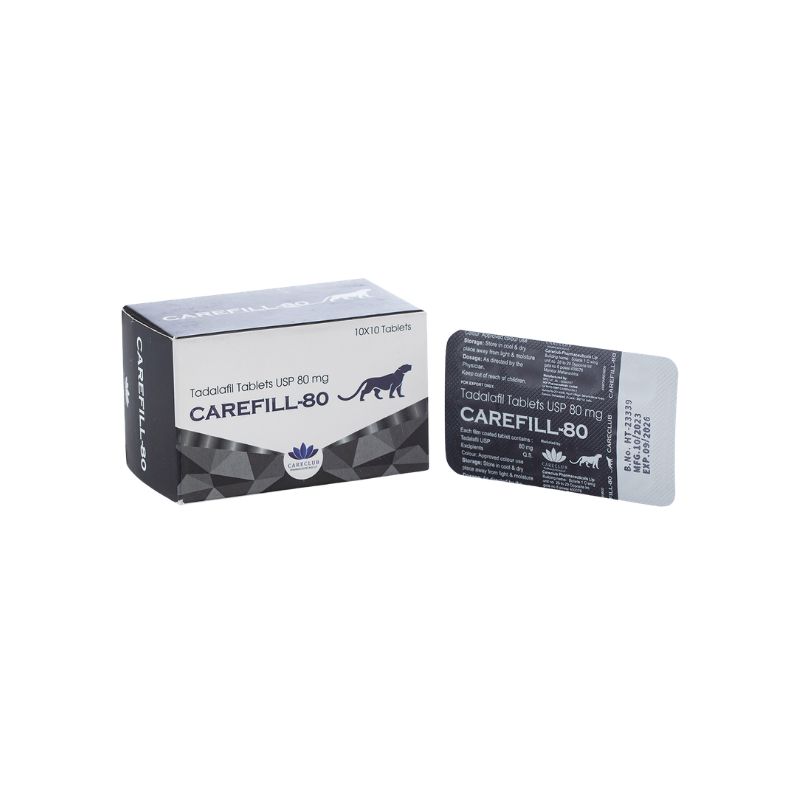 Carefill-80 (Tadalafil 80 mg)
One prescription in this catalog has an approval story that is genuinely unusual: the same molecule, the same 5 mg daily dose, approved for two entirely different problems. The erectile-dysfunction indication is familiar. The urinary one is not, and it is the one with the more interesting evidence, because it is the one where the effect size is modest and the qualifiers matter.
Three papers carry it. Read together they say something narrower and more durable than the marketing version.
The pooled subgroup analysis that carries the label
Porst and colleagues pooled four multinational randomised, placebo-controlled studies into a safety database of 1500 men, 752 on tadalafil 5 mg once daily and 746 on placebo, each treated for 12 weeks. The primary measure was the International Prostate Symptom Score, a questionnaire.
The result: a mean difference of -2.3 points against placebo, P below 0.001. The BPH impact index and the symptom quality-of-life index both moved significantly as well. So did subgroups, and this is where the pooled analysis earned its keep: the improvement held regardless of baseline symptom severity, age split at 65, recent alpha-blocker or PDE5 inhibitor use, testosterone below or above 300 ng per decilitre, and PSA-predicted prostate volume split at 40 ml.
Tolerability tracked by age, by previous PDE5 inhibitor use, and by whether a participant had diabetes, hypertension or cardiovascular disease. The one subgroup with somewhat higher treatment-emergent adverse event rates was men with recent previous alpha-blocker use, which is the interaction any pharmacist already knows about.
The analysis that found a null
The 2017 paper asked a narrower question and got a narrower answer, which makes it more useful. Twelve phase II and III studies, randomised and open-label extension, men under 75 compared with men 75 and over, all on once-daily tadalafil 5 mg or placebo, efficacy windows of 12 to 26 weeks and safety windows out to 42 to 52 weeks.
The mean IPSS change differed by age group, treatment-by-age interaction P = 0.034. Below 75 the treatment separated significantly from placebo. At 75 and over it was not statistically significantly better than placebo. The authors offer two readings: the older group carried more concomitant disease and used more drugs, and the sample of men in that band was too small to separate that from anything else. They also flag that men with serious coexisting conditions were excluded, so the finding does not extend to the frailer end of the age range.
Safety was not the issue. Treatment-emergent adverse events ran 33.8% against 30.1%, discontinuations 1.9% against 3.0%, and the authors report no evidence of increased cardiovascular adverse events in older men. The drug did not stop working because of tolerability in older men. It stopped separating from placebo.
The review that says what is missing
Gacci and colleagues assembled eight systematic reviews to explain why a vasodilator helps urinary symptoms at all. Their proposed mechanisms are not speculative hand-waving: improved oxygenation of the lower urinary tract, smooth muscle relaxation, down-regulation of stromal proliferation and transdifferentiation, reduced bladder afferent nerve activity, and reduced prostate inflammation.
The pooled numbers are the part worth sitting with. Across eight reviews, IPSS improved by a mean difference of 2.35 to 4.21 points against placebo, and erectile function scores by 2.25 to 5.66. Peak urinary flow, Qmax, changed by 0.01 to 1.43. In plain terms: the symptom questionnaire moved, the objective flow measurement barely did. IPSS is what patients feel. Qmax is what the bladder does. This is a drug that treats a complaint, not an obstruction.
Their closing line is the honest boundary: data on reduction of disease progression, long-term outcomes and cost-effectiveness are still lacking.
Why this page exists next to the catalog
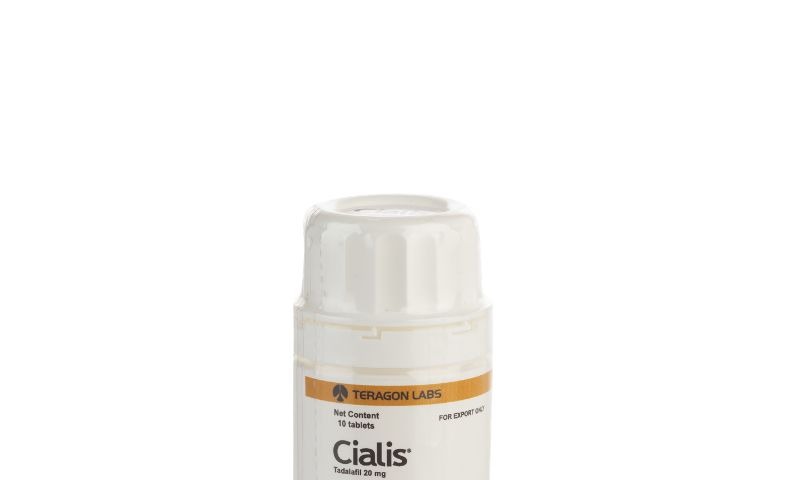
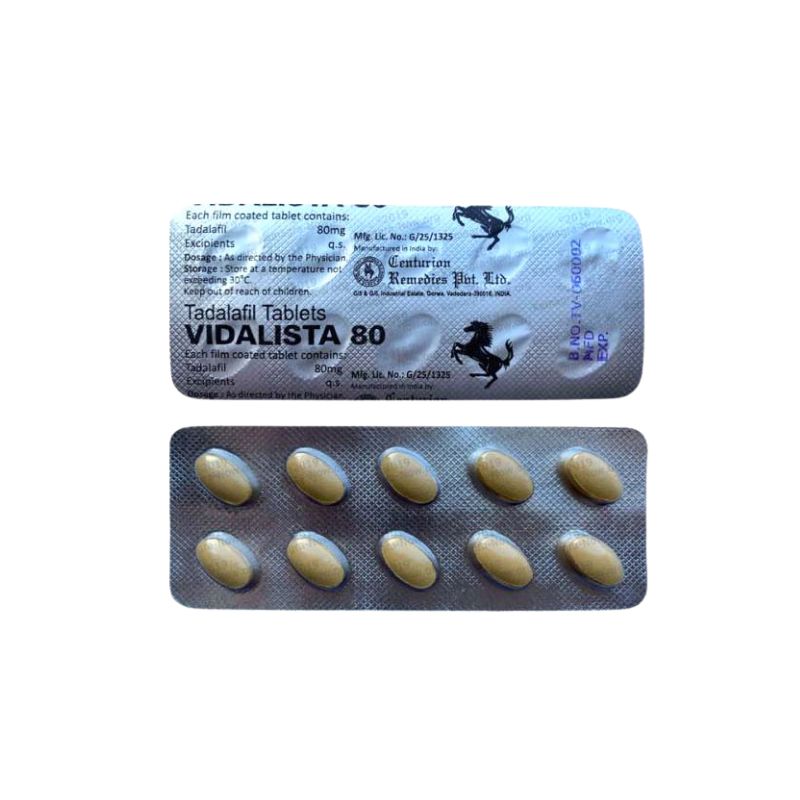
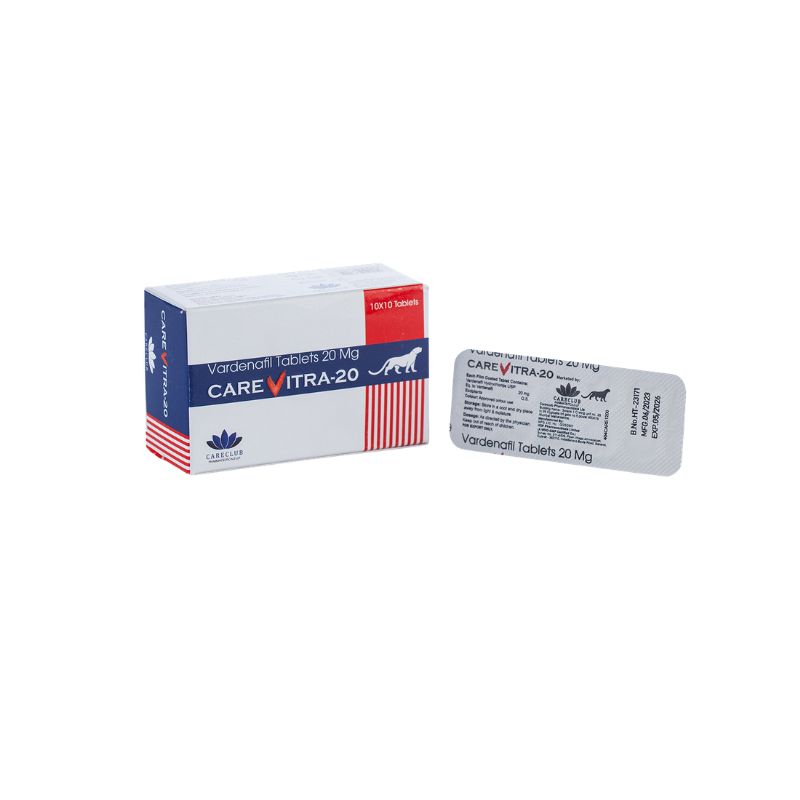
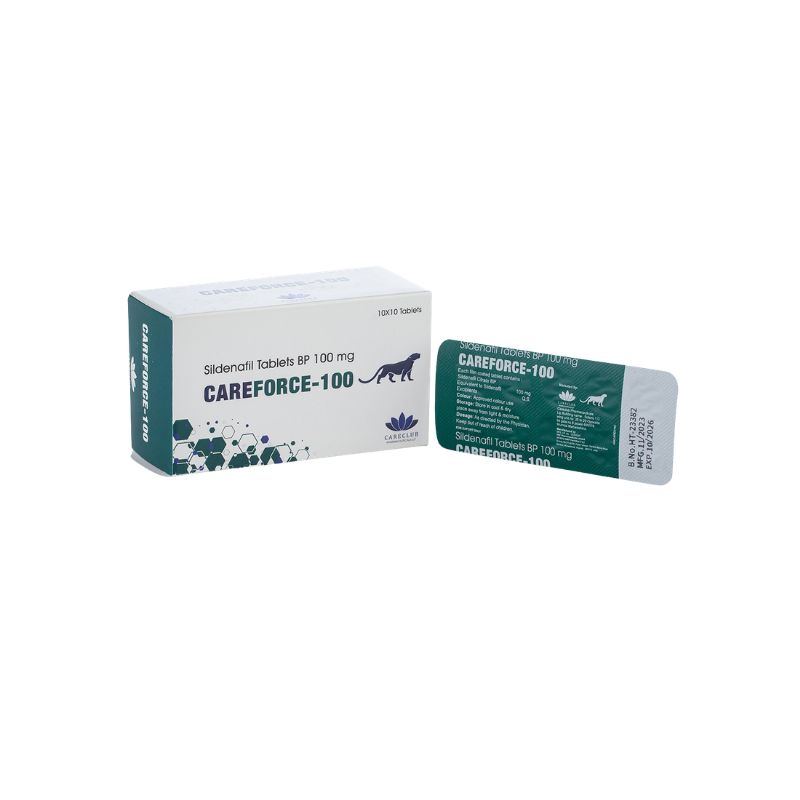
Tadalafil is the largest product family we carry, from Carefill-80 through Cialis 20 mg and Vidalista 80 mg, with sildenafil and vardenafil ranges alongside it. The approval literature above concerns one specific 5 mg daily regimen for urinary symptoms. It says nothing about the higher strengths on those shelves, and nothing about the other two molecules, which have their own dossiers. Clomiphene’s approval story is the other male-health document on this site worth reading next.
What the data do not show
No trial of tadalafil 5 mg once daily showed reduced disease progression. No long-term outcome data exist, and no cost-effectiveness analysis, as the review states outright. The effect was not statistically significant in men aged 75 and over. Symptom scores improved; urinary flow did not meaningfully change. None of these studies enrolled men with serious coexisting conditions, and none tested anything other than the 5 mg daily regimen, so the numbers above cannot be read across to any other strength on these shelves. A questionnaire improvement in a defined population is not a promise about a urinary tract.
What we supply
The tadalafil, sildenafil and vardenafil preparations above, as supplied by the manufacturer, tracked, from inside the EU. Batch documentation for every product that carries any is explained in the COA guide linked from the product page.
Research use only. This page summarises published trials and regulatory evidence for research reference. It is not medical advice, not a protocol, and not a suggestion for human use. Nothing we supply is for human or veterinary use.
References.
- Porst H, et al. Efficacy and safety of tadalafil 5 mg once daily for lower urinary tract symptoms suggestive of benign prostatic hyperplasia: subgroup analyses of pooled data from 4 multinational, randomized, placebo-controlled clinical studies. Urology 2013;82(3):667-673 (PMID 23876588).
- Oelke M, et al. Efficacy and safety of tadalafil 5 mg once daily in the treatment of lower urinary tract symptoms associated with benign prostatic hyperplasia in men aged 75 years or older. BJU Int 2017;119(5):793-803 (PMID 27988986).
- Gacci M, et al. Latest Evidence on the Use of Phosphodiesterase Type 5 Inhibitors for the Treatment of Lower Urinary Tract Symptoms Secondary to Benign Prostatic Hyperplasia. Eur Urol 2016;70(1):124-133 (PMID 26806655).