TB-500 (thymosin beta-4 fragment) in cardiac repair models
After a heart attack, mammalian heart muscle barely regenerates. A line of preclinical work asks whether a thymosin beta-4 peptide can change that equation in animals. Here is what the reviews report, and where the line stops.
28 September 2026 · 2 min read
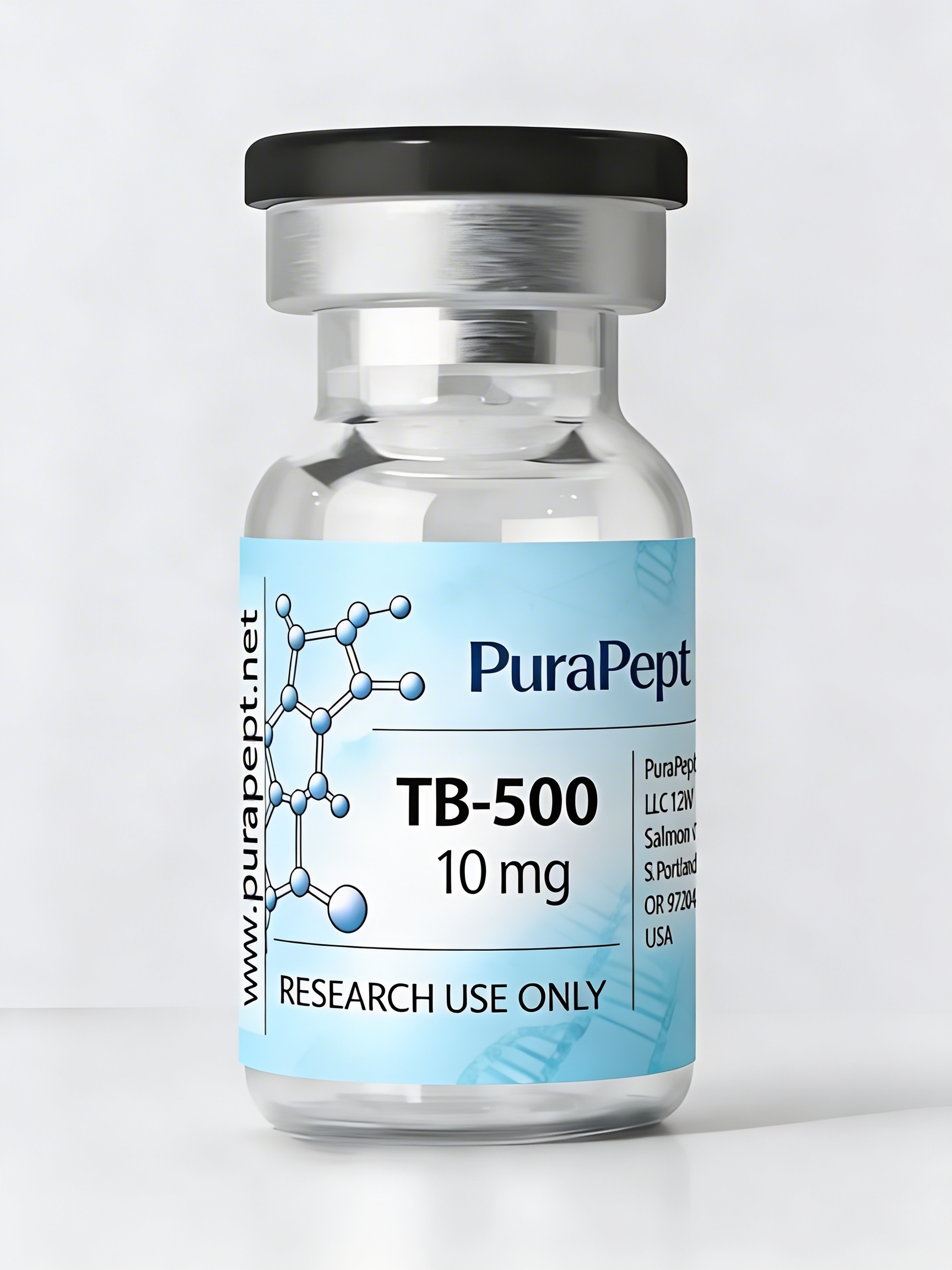 TB-500 10 mg
The adult mammalian heart is famously bad at repairing itself. After infarction, dead muscle becomes scar, scar does not contract, and function drops. That bleakness is exactly why a small actin-binding peptide ended up in cardiac laboratories: thymosin beta-4, and its research fragment TB-500, kept showing up in experiments where injured hearts looked better than expected.
What the peptide is, briefly
TB-500 is the research peptide modeled on thymosin beta-4, a 43-amino-acid protein found in most mammalian cells. The cardiac interest centers on what happens after ischemic injury: cell survival, new vessel growth, and the recruitment of progenitor-type cells toward the damaged region. None of this is a single clean pathway. Like most repair candidates, it touches several processes at once.
What the reviews collect
A 2010 review in the Annals of the New York Academy of Sciences gathered the early cardiac work and framed thymosin beta-4 as a repair candidate worth systematic study. Later mechanistic work narrowed the focus: a 2015 paper in the Journal of Molecular and Cellular Cardiology attributed much of the post-ischemic effect to the molecule’s C-terminal AGES domain, which is the kind of detail that matters because it tells future work where to look. A 2023 review in International Immunopharmacology surveyed the newer directions, including regenerative and anti-aging angles, and kept the same overall verdict the field has held for a decade: interesting, active, and still preclinical.
The boundary around all of it
Every paper cited above is animal or cell-level work. There is no human cardiac efficacy finding in this article because there is none in the cited literature. Animal hearts that recover better after infarction are a reason to keep researching, not a reason to extrapolate. The species gap in cardiac regeneration is wide: mice and rats recover from injuries that would end a human athlete’s career, with or without any peptide involved.
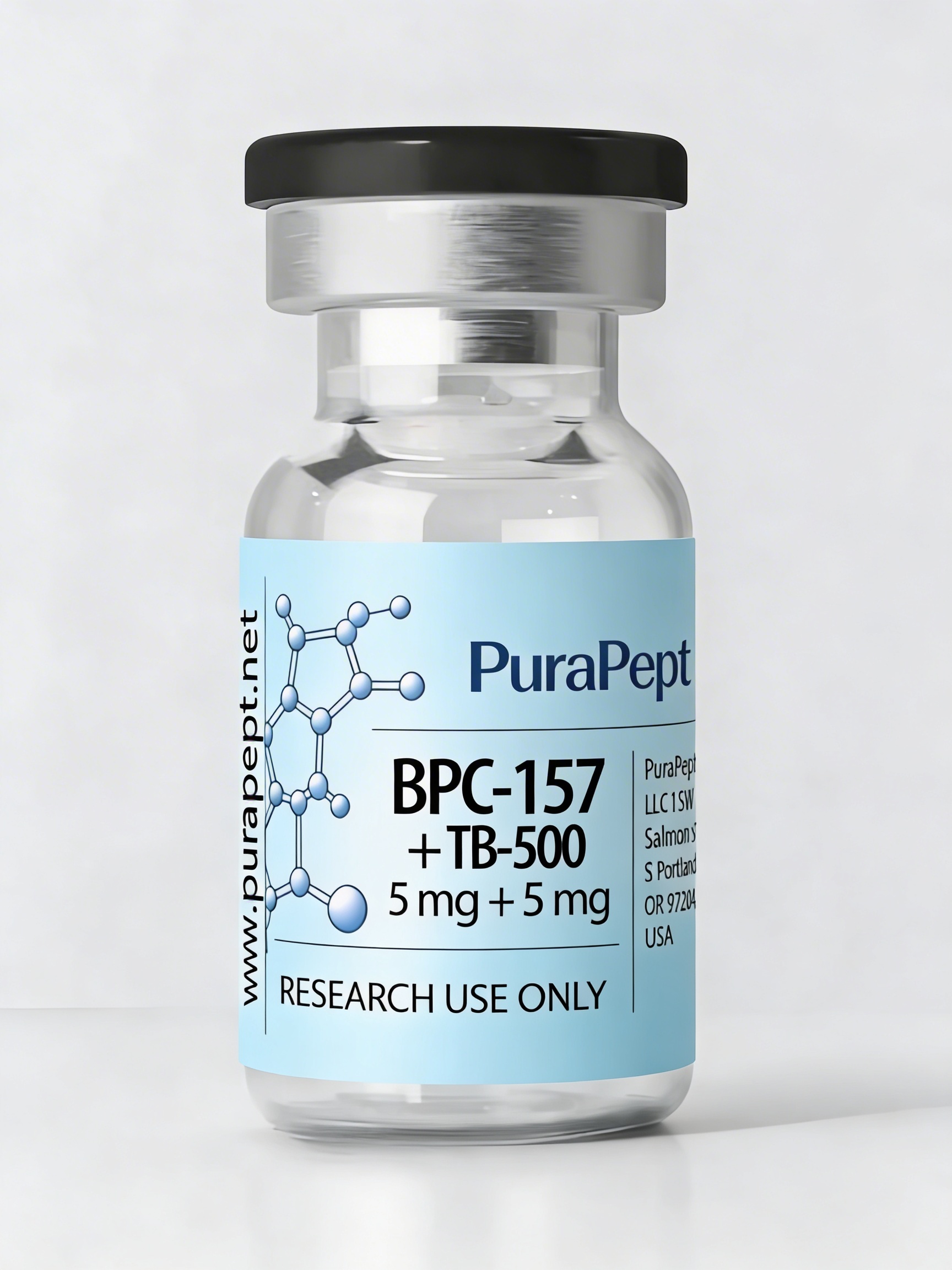
One design note for researchers: TB-500 is often supplied alongside BPC-157 in blend preparations. A blend cannot attribute an effect to one component. If the research question is cardiac and the candidate is thymosin beta-4–related, the preparation under test should contain exactly that.
Research use only. This page summarises published preclinical literature. It is not medical advice, not a suggestion for human use, and not a protocol. Nothing we supply is for human or veterinary use.
References.
- Thymosin beta4 and cardiac repair. Ann N Y Acad Sci 2010. PubMed record (PMID 20536454).
- C-terminal variable AGES domain of Thymosin beta4: the molecule's primary contribution in support of post-ischemic cardiac function and repair. J Mol Cell Cardiol 2015. PubMed record (PMID 26255251).
- Thymosin beta-4 denotes new directions towards developing prosperous anti-aging regenerative therapies. Int Immunopharmacol 2023. PubMed record (PMID 36709593).