hCG alone: what the studies actually measured
hCG alone has been measured in two populations, and neither is a trial in healthy men. Sperm production held present but not normal.
6 October 2026 · 7 min read
 Testo Depot (Testosterone Enanthate)
hCG is usually discussed as half of a pair. This page is deliberately about the half that is usually left out, because the hCG-alone record is not empty, it is just split across two populations that cannot be merged, and in one of them it is a research instrument rather than a treatment.
What was measured in men with a suppressed axis
The cleanest randomised hCG-alone data in normal men came out of a suppression experiment, and it is the most useful thing in this literature because it separates the hormone’s own effects from any disease.
Induction of experimental gonadotropin deficiency in normal men with high amounts of testosterone suppressed spermatogenesis to severely oligospermic or azoospermic levels. Selective replacement of either LH activity, with hCG or hLH, or FSH activity with hFSH, raised sperm counts into the 20-50 million/ml range. Quantitatively normal spermatogenesis was not achieved by either alone. The second arm is the one that matters here: selective FSH deficiency was induced in normal men with hCG alone, and in the setting of high LH-like activity and markedly suppressed FSH, sperm production was partially suppressed again into the 20-50 million/ml range. Adding back FSH activity, with hFSH or hMG, stimulated sperm production into the control range in all subjects.
That is the whole of the hCG-alone result in normal men, and it cuts against the marketing in both directions. hCG was not a contraceptive: sperm production fell to a partial suppression, not to azoospermia. And hCG was not a substitute for FSH: the counts it supports sit in a range the authors describe as qualitatively normal, not quantitatively so.
The same group, publishing in JCEM a couple of decades later, put numbers on the testosterone half. Thirty-seven normal men were given the GnRH antagonist acyline to induce experimental gonadotropin deficiency, then randomised to one of four low hCG amounts, 0, 15, 60 or 125 IU subcutaneously every other day, or 7.5 g daily testosterone gel, for 10 days. Testicular fluid was aspirated before and after. Median baseline intratesticular testosterone was 2508 nmol/l (1753, 3502). It rose with each increment to 923 nmol/l (894, 1017) in the top arm, against 77 nmol/l (40, 122) in the zero arm, P<0.001. Serum hCG correlated with both intratesticular and serum testosterone at P<0.01. The authors’ conclusion is that amounts far below those used clinically raise intratesticular testosterone in normal men.
Ten days, 37 men, a research model with the axis deliberately switched off, and the original paper describes intratesticular testosterone assessment as a tool for investigating hormonal regulation. That is what this dataset is for.
What was measured in men with real gonadotropin failure
The clinical hCG-alone data is older, smaller and entirely retrospective, and it exists for one specific reason: holding on to what a combination had already achieved.
Thirteen patients with gonadotropin deficiency from idiopathic hypogonadotropic hypogonadism, Kallmann syndrome or pituitary insufficiency had spermatogenesis induced with GnRH (one man) or hCG/hMG (twelve), then were given hCG alone for 3 to 24 months. After 12 months on hCG alone, sperm counts decreased gradually but remained present in all patients except one, who became azoospermic. Testicular volume decreased only slightly, reaching 87% of the volume achieved on the combination. FSH and LH were suppressed to below the detection limit of the assay throughout. The authors’ conclusion: spermatogenesis can be maintained qualitatively by hCG alone, in the absence of FSH, for extended periods, but the decreasing counts indicate FSH is essential for maintenance of quantitatively normal spermatogenesis.
Thirteen men, analysed retrospectively, no comparison group, and the number that decides the question is 87%.
The largest synthesis on the clinical side is a 2024 systematic review and meta-analysis of gonadotropins for pubertal induction in males with hypogonadotropic hypogonadism: 103 studies, 5,328 patients, 21 countries, from 3,925 abstracts screened, with a median reported treatment or follow-up of 18 months (interquartile range 10.5 to 24). hCG was the most used agent, in 93 of the studies. Gonadotropins produced significant increases in testicular volume, penile size and testosterone in over 98% of analyses. The number that matters for this page is the spermatogenesis rate: 86% (95% CI 82-91) with hCG plus FSH, against 40% (95% CI 25-56) with hCG alone. The review notes high heterogeneity in treatment choice, amount, duration and outcomes assessed, and states that formal guidelines and randomised studies are needed.
Where the two populations do not transfer
The combined datasets say the same thing from the clinical side. A combined analysis of four phase III open-label trials enrolled 100 men with complete idiopathic or acquired hypogonadotropic hypogonadism who received hCG pretreatment for 3 to 6 months followed by hCG with r-hFSH 150 IU three times weekly for up to 18 months. Of the 81 men who remained azoospermic but achieved normal serum testosterone after the hCG pretreatment, 68 (84.0%) achieved spermatogenesis and 56 (69.1%) reached the primary endpoint of 1.5 x 10(6)/mL or more. That is the hCG-alone result in one number: normal serum testosterone, azoospermia. Predictors of a good response were large baseline mean testicular volume, low body mass index, and advanced sexual maturity.
Two more datasets, both retrospective and both combination rather than monotherapy, are worth naming so the distinction is not lost. A 2025 single-centre cohort of 77 men with previous testosterone use received 3,000 IU hCG with 75 IU FSH three times weekly; 74% improved their sperm concentration, and staying on testosterone during recovery made no difference to that (74% improved either way). A 2015 series across two clinics covered 49 men on exogenous testosterone with azoospermia or severe oligospermia, each receiving 3,000 units hCG every other day plus a supplement chosen by the physician, from clomiphene and tamoxifen to anastrozole or r-hFSH. 47 of 49 (95.9%) met the study’s composite endpoint — return of spermatogenesis in the azoospermic men or improved counts in the severely oligospermic ones — and the mean time to return was 4.6 months at a mean first density of 22.6 million/mL.
Neither is hCG alone, and neither can be used as if it were. The 2015 series in particular is the paper most often quoted as though the hCG did the work, and the regimen in it was four-drug at the physician’s discretion with no control arm.
Why the transfer to healthy men fails
The honest summary of the record is a ratio. In men with genuine gonadotropin failure, the spermatogenesis rate on hCG alone was 40% (95% CI 25-56). In men whose axis was suppressed experimentally, hCG alone supported sperm production in the 20-50 million/ml range and no higher, and drove FSH below the assay’s detection limit. In normal men, the only randomised hCG-alone data on the testosterone side ran 10 days in a model built to switch the axis off.
No dataset has randomised healthy men to hCG monotherapy as a therapy and followed them. The population where the numbers are best is the population where the axis was already broken, which is the entire difference between a research finding and a therapeutic claim.
One further limit belongs here: Christin-Maitre and Young’s 2022 review (PMID 35489414) records that after cessation of exogenous androgen abuse, recovery takes around 14 months for sperm output and 38 months for sperm motility. That is the background rate against which any recovery figure should be read.
Where this sits on the shelf
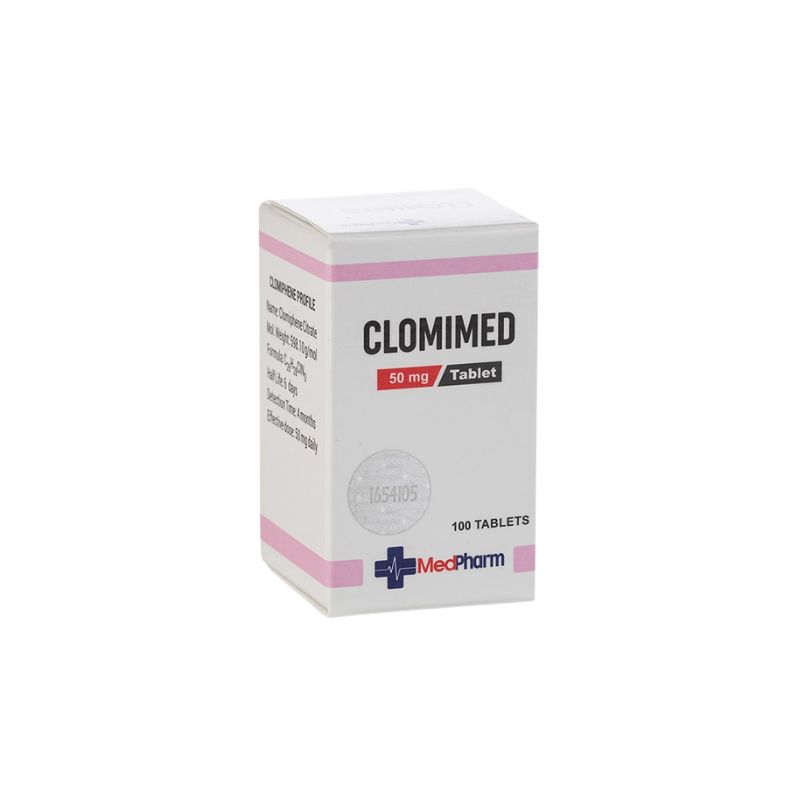
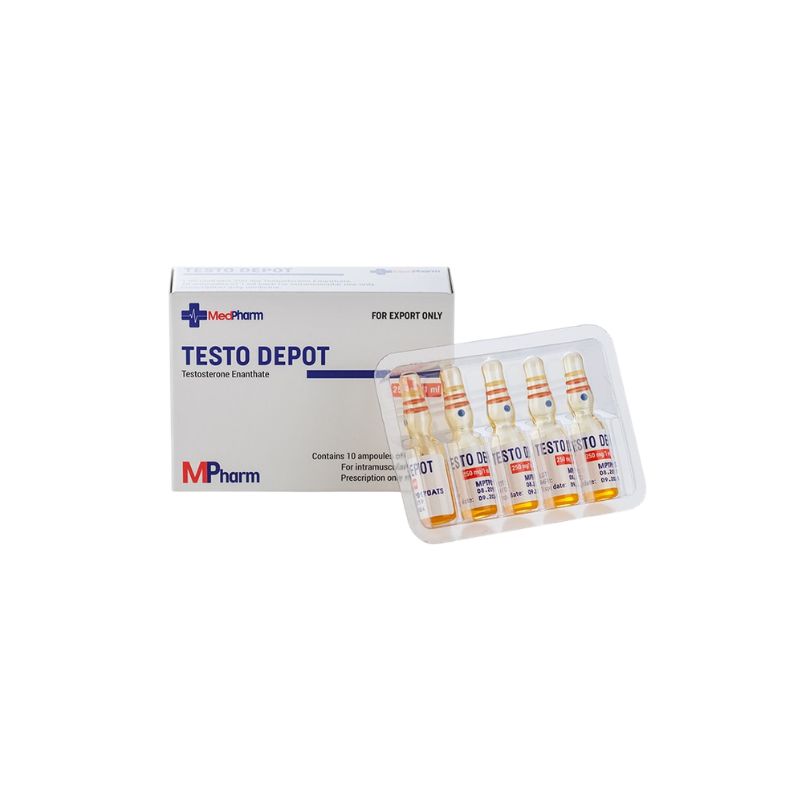
hCG is not on this catalogue. What is here is the injectable testosterone class whose suppression created the situations the studies describe, testosterone enanthate and the testosterone the hCG-alone data is so often paired with, clomiphene. For the clomiphene side of the same axis, clomiphene: approval and male trials is the source document on this desk. For the signal that upstream of the gonadotropins, kisspeptin and the HPG axis covers the pathway in front of them.
What the data do not show
They do not show that hCG alone restores spermatogenesis in men who do not have a gonadotropin deficiency, because that population was never enrolled in a randomised study. They do not separate the effect of hCG from the effect of the FSH suppression it causes, because in the one place the two were separated, the separation ran the same way in both directions. They do not show an amount for monotherapy, because the one randomised hCG-alone amount study used 0, 15, 60 and 125 IU for 10 days in a suppression model, and the clinical maintenance series gives 3 to 24 months retrospectively in 13 men with no comparator.
Everything above was measured in men with an absent or deliberately abolished axis. Reading those numbers as a prediction for a healthy man is an analogy across a gap the literature has not closed, and this page does not close it either.
What we supply
The testosterone and clomiphene preparations above, as supplied by the manufacturer, tracked, from inside the EU.
Research use only. This page summarises published studies for research reference. It is not medical advice, not a protocol, and not a suggestion for human use. Nothing we supply is for human or veterinary use.
References.
- Matsumoto AM, Bremner WJ. Endocrine control of human spermatogenesis. J Steroid Biochem 1989;33(4B):789-90.
- Roth MY, Page ST, Lin K, et al. Dose-dependent increase in intratesticular testosterone by very low-dose human chorionic gonadotropin in normal men with experimental gonadotropin deficiency. J Clin Endocrinol Metab 2010;95(8):3806-13.
- Depenbusch M, von Eckardstein S, Simoni M, et al. Maintenance of spermatogenesis in hypogonadotropic hypogonadal men with human chorionic gonadotropin alone. Eur J Endocrinol 2002;147(5):617-24.
- Alexander EC, Faruqi D, Farquhar R, et al. Gonadotropins for pubertal induction in males with hypogonadotropic hypogonadism: systematic review and meta-analysis. Eur J Endocrinol 2024;190(1):S1-S11.
- Warne DW, Decosterd G, Okada H, et al. A combined analysis of data to identify predictive factors for spermatogenesis in men with hypogonadotropic hypogonadism treated with recombinant human FSH and human chorionic gonadotropin. Fertil Steril 2009;92(2):594-604.
- Stocks BT, Oppenheimer AG, Campbell KJ, et al. Optimal restoration of spermatogenesis after testosterone therapy using human chorionic gonadotropin and follicle-stimulating hormone. Fertil Steril 2025;123(4):607-615.
- Christin-Maitre S, Young J. Androgens and spermatogenesis. Ann Endocrinol (Paris) 2022;83(3):155-158.
- Wenker EP, Dupree JM, Langille GM, et al. The use of hCG-based combination therapy for recovery of spermatogenesis after testosterone use. J Sex Med 2015;12(6):1334-7.